Building Hope in Ukraine: AACR Partnership
Russia’s full-scale invasion of Ukraine in February 2022 created an unprecedented crisis for the country’s healthcare system, including cancer care. Hospitals were disrupted, resources were strained, and physicians faced the challenge of continuing treatment under extreme conditions. At the same time, the need to stay connected to global medical advancements became more urgent than ever.
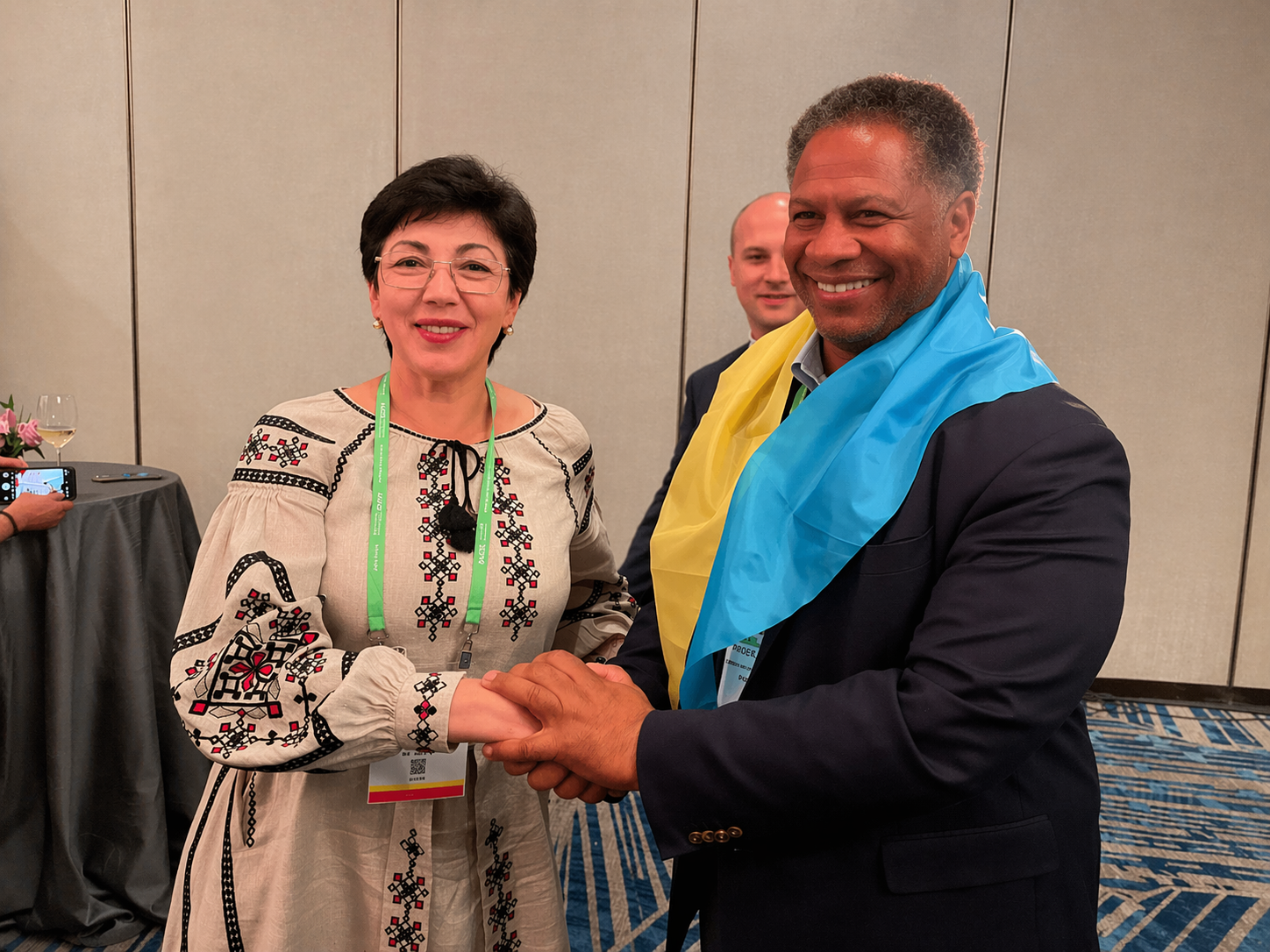
Just two months later, the American Association for Cancer Research (the world's oldest and largest professional association related to cancer research) held its Annual Meeting. The CEO Dr. Margaret Foti officially launched the AACR Annual Meeting 2022 in New Orleans wearing blue and yellow (colors of Ukrainian flag) as a symbol of solidarity with Ukraine following the onset of the Russian invasion. AACR President Dr. David Tuveson announced launch of the AACR Ukraine Crisis Relief Fund.
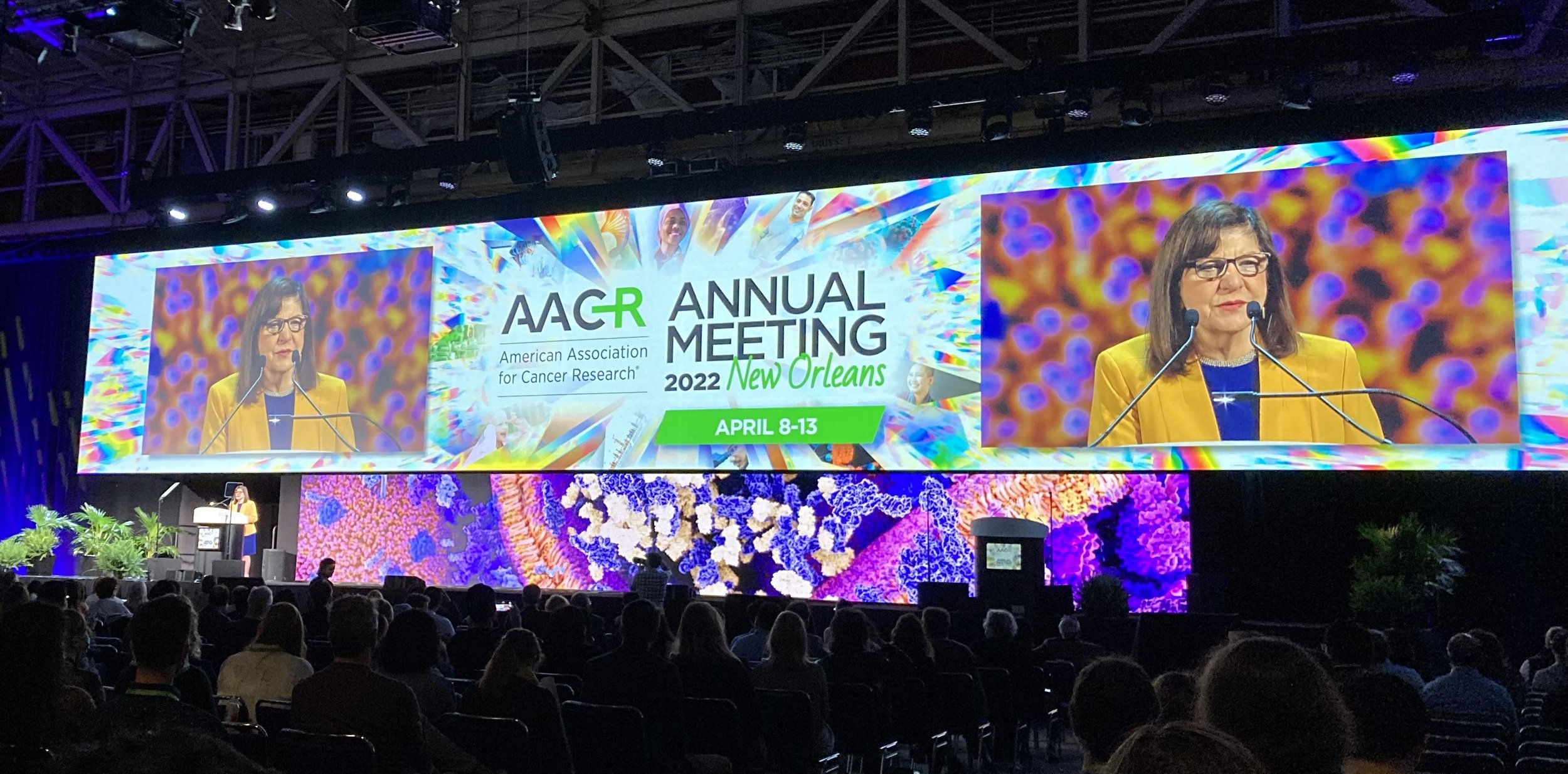
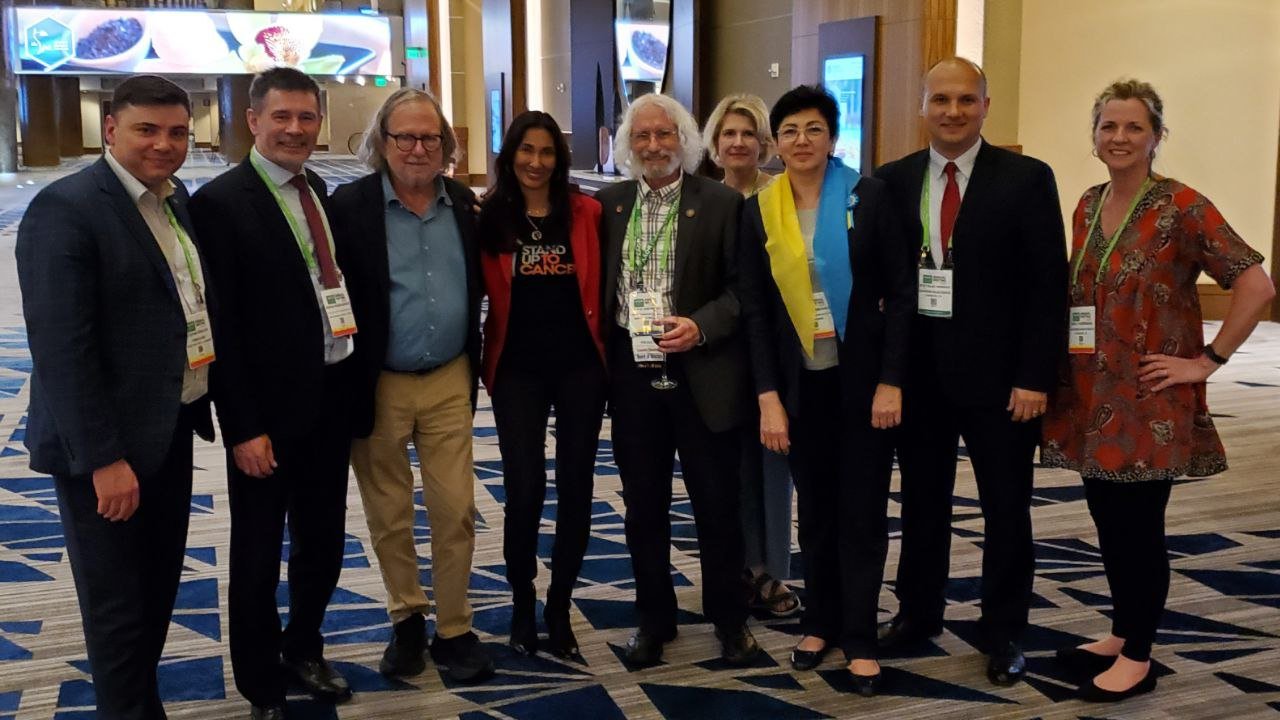
Dr. Margaret Foti launching AACR 2022 Annual Meeting in New Orleans (April 8-13, 2022).
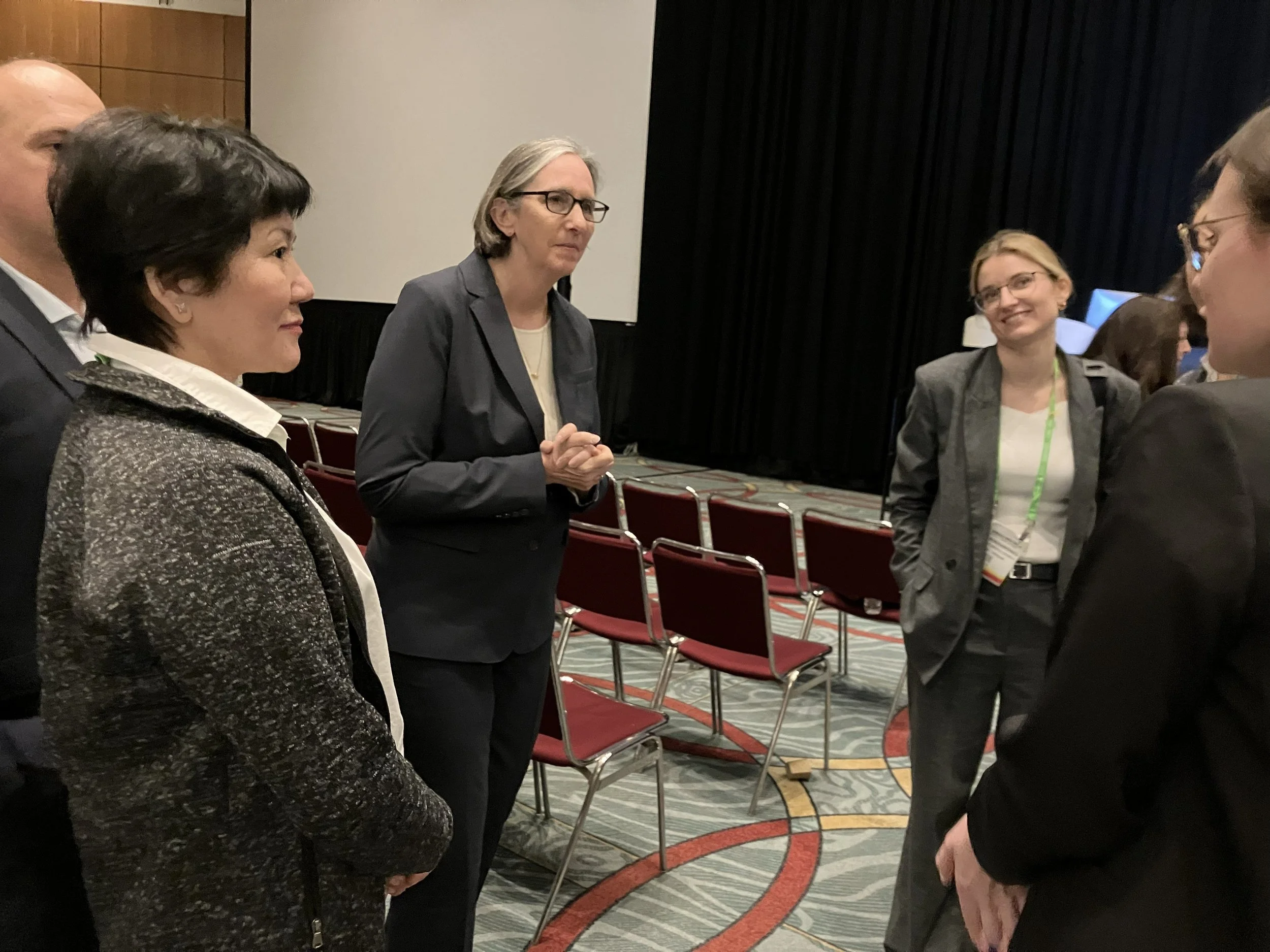
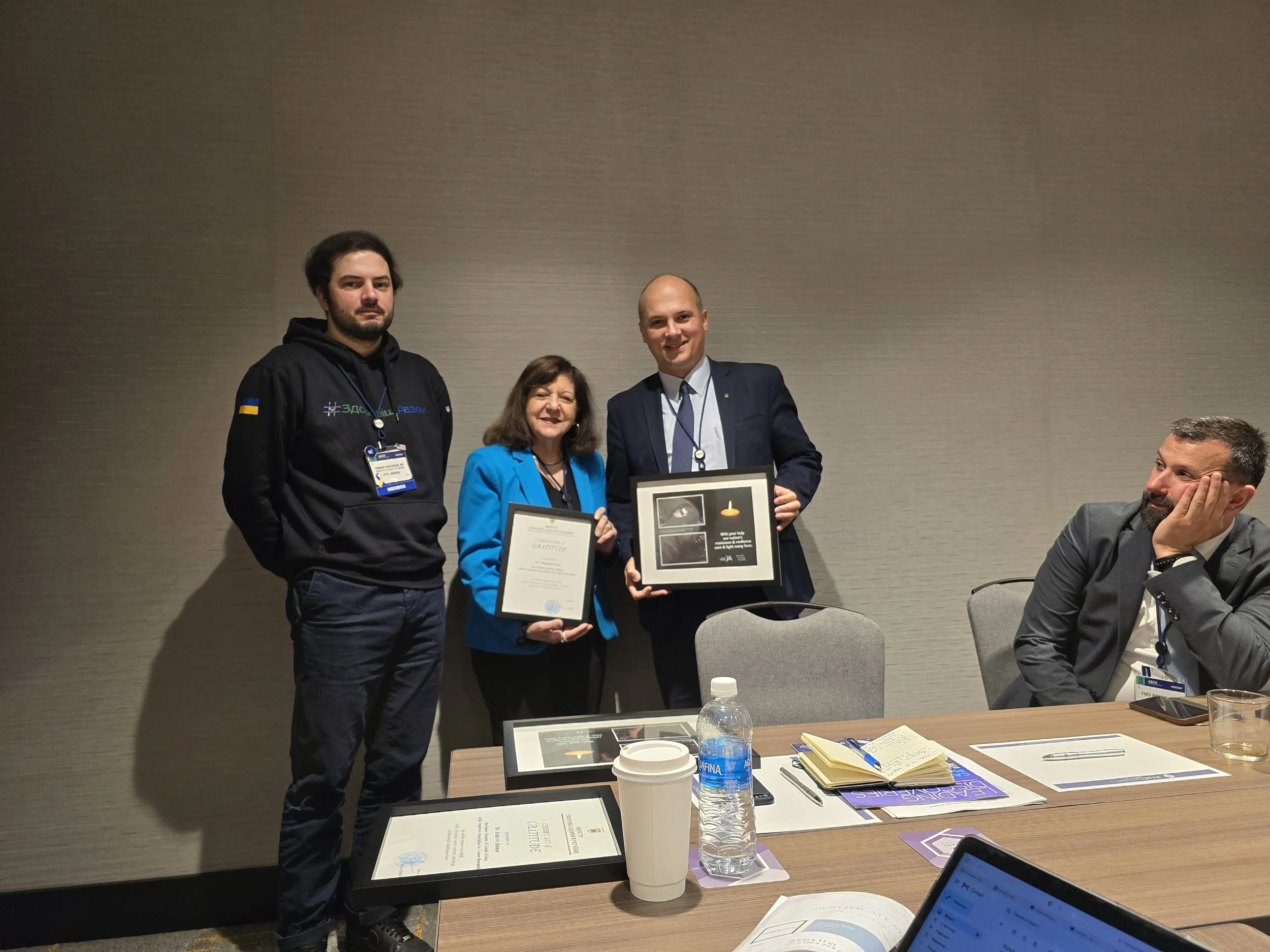
During this pivotal moment, Rostyslav Semikov approached AACR leadership—Dr. Margaret Foti and Dr. Frédéric Biemar—who responded with remarkable openness and commitment. They continued exploring how AACR’s global network could support Ukrainian physicians, researchers, and patients.
This early dialogue quickly turned into action. AACR selected Peace and Development Foundation as one of the two organizations supported through AACR Ukraine Crisis Relief Fund initiative. Inspired by the example of short-term observerships at Vanderbilt University Medical Center—initiated by Senator Bill Frist, MD, and Dr. Seth Karp—AACR committed to supporting Ukrainian participation in AACR conferences and short-term clinical observerships afterwards over the following three years.
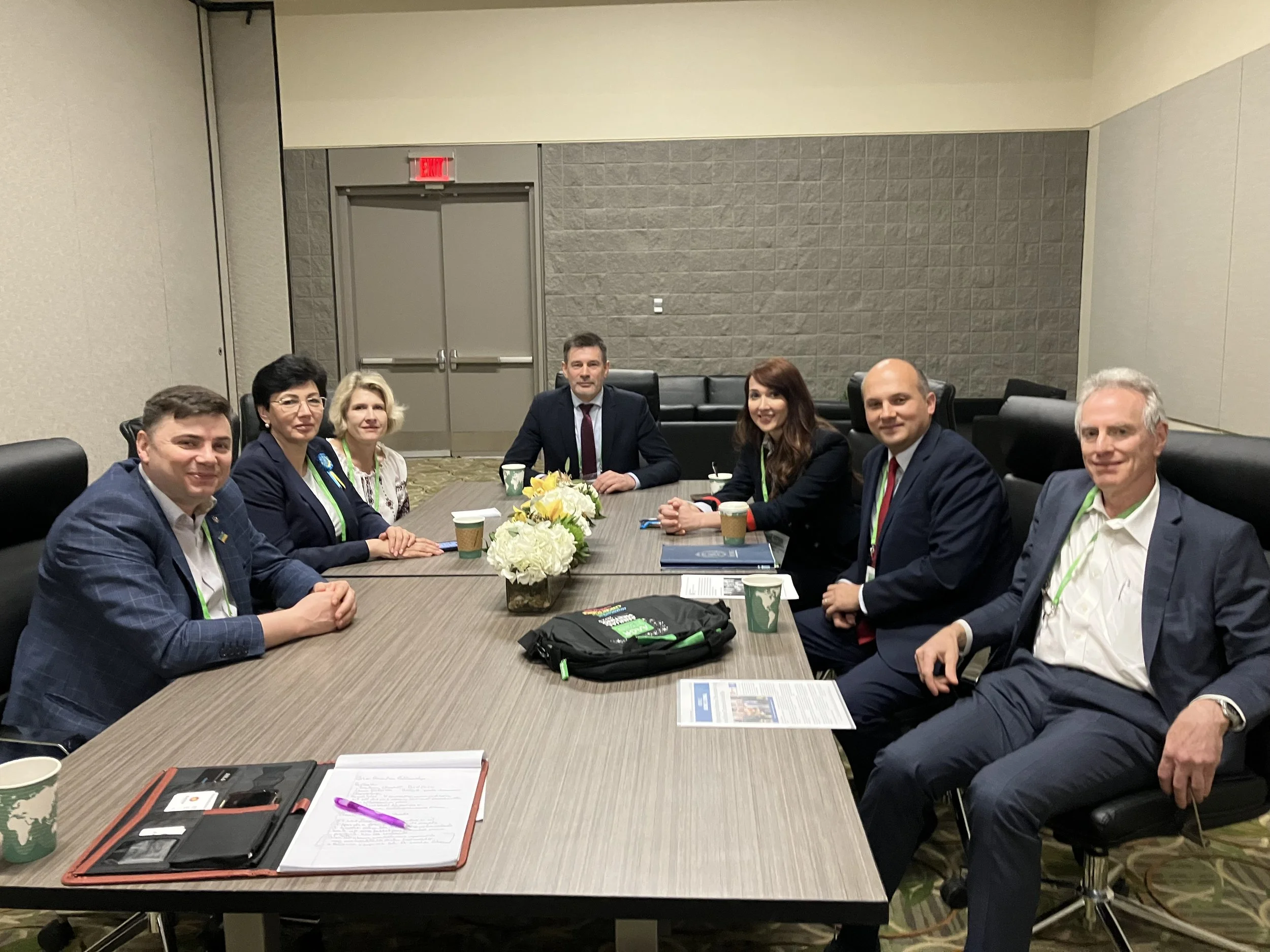
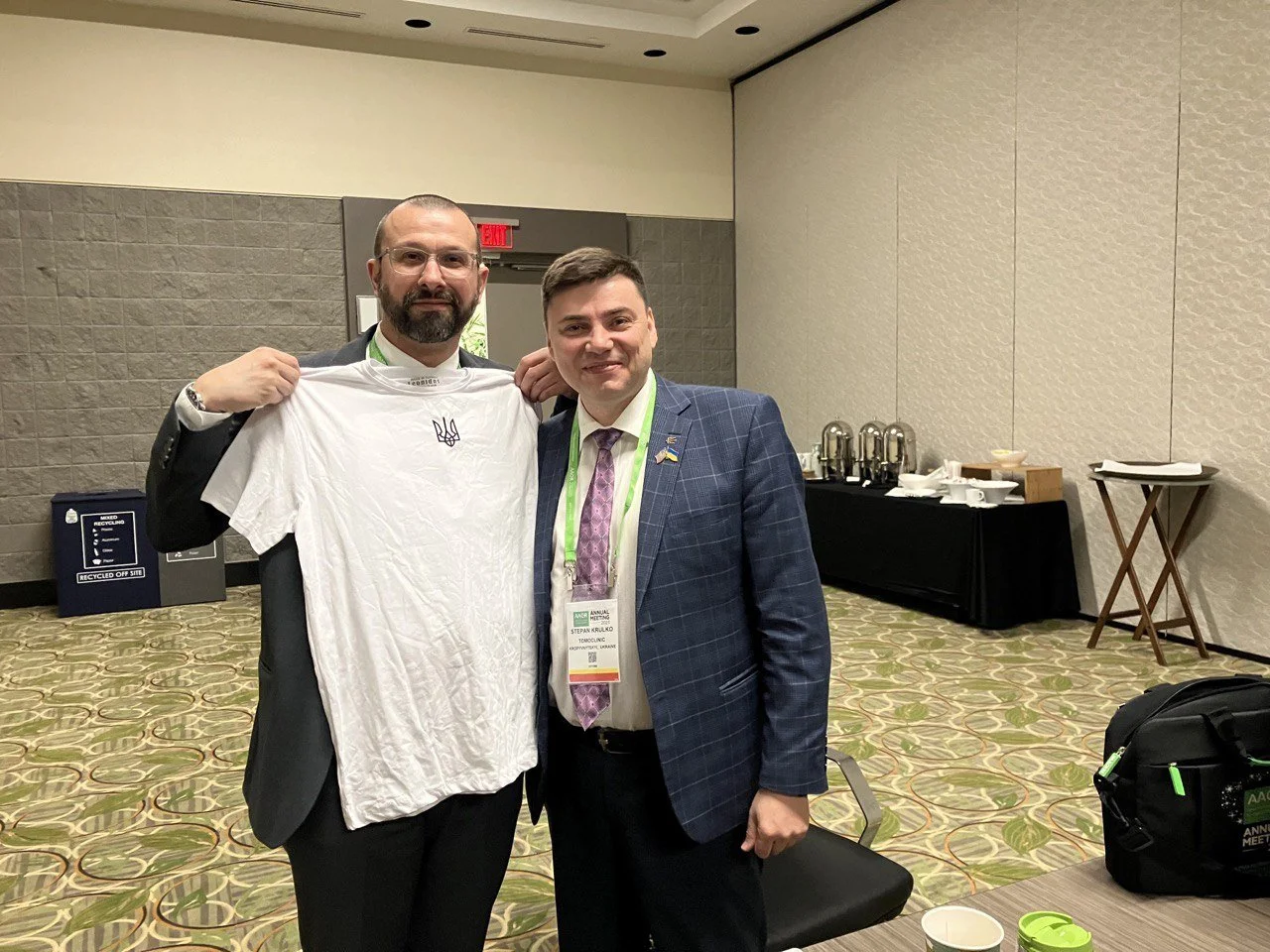
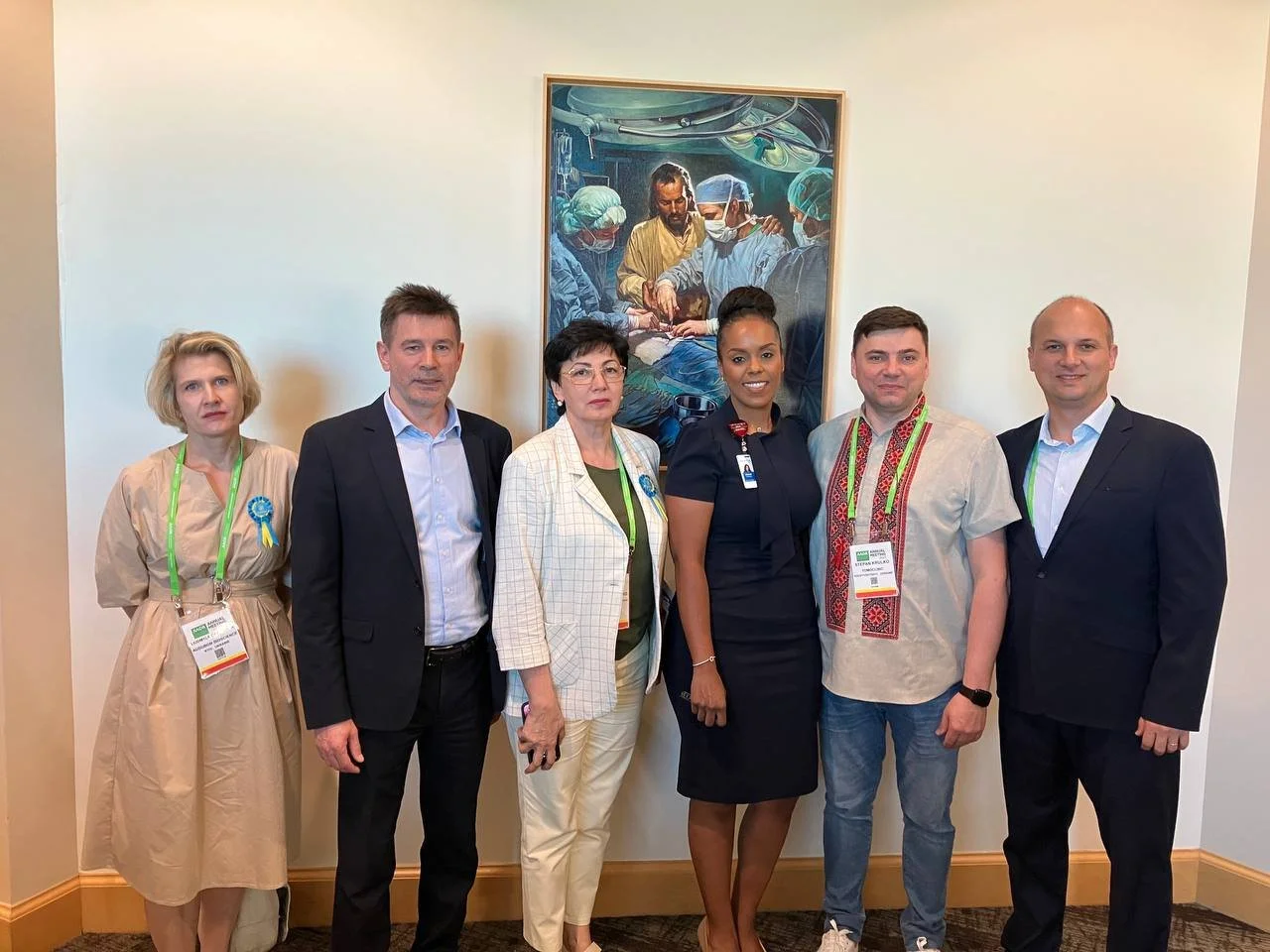
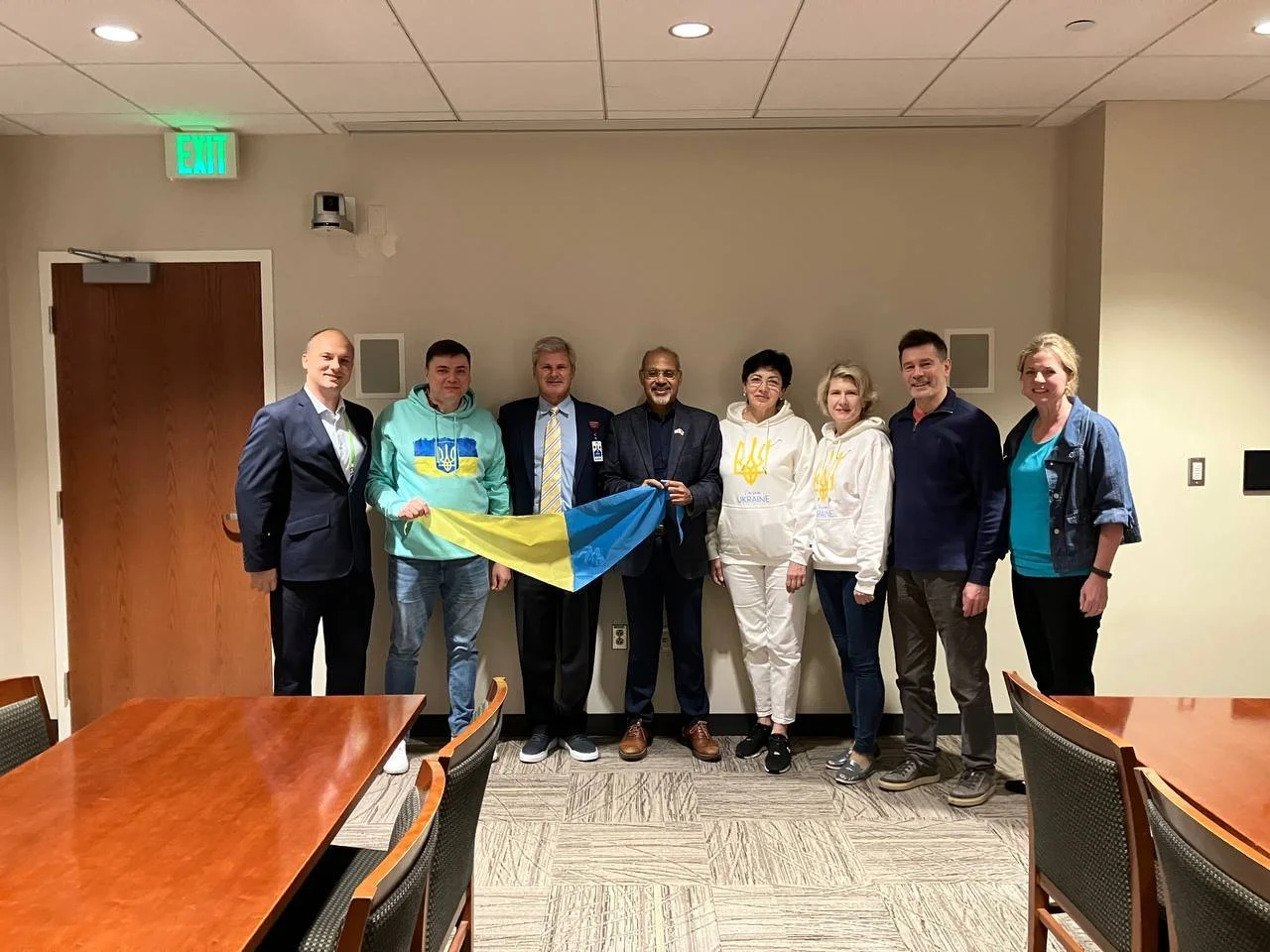
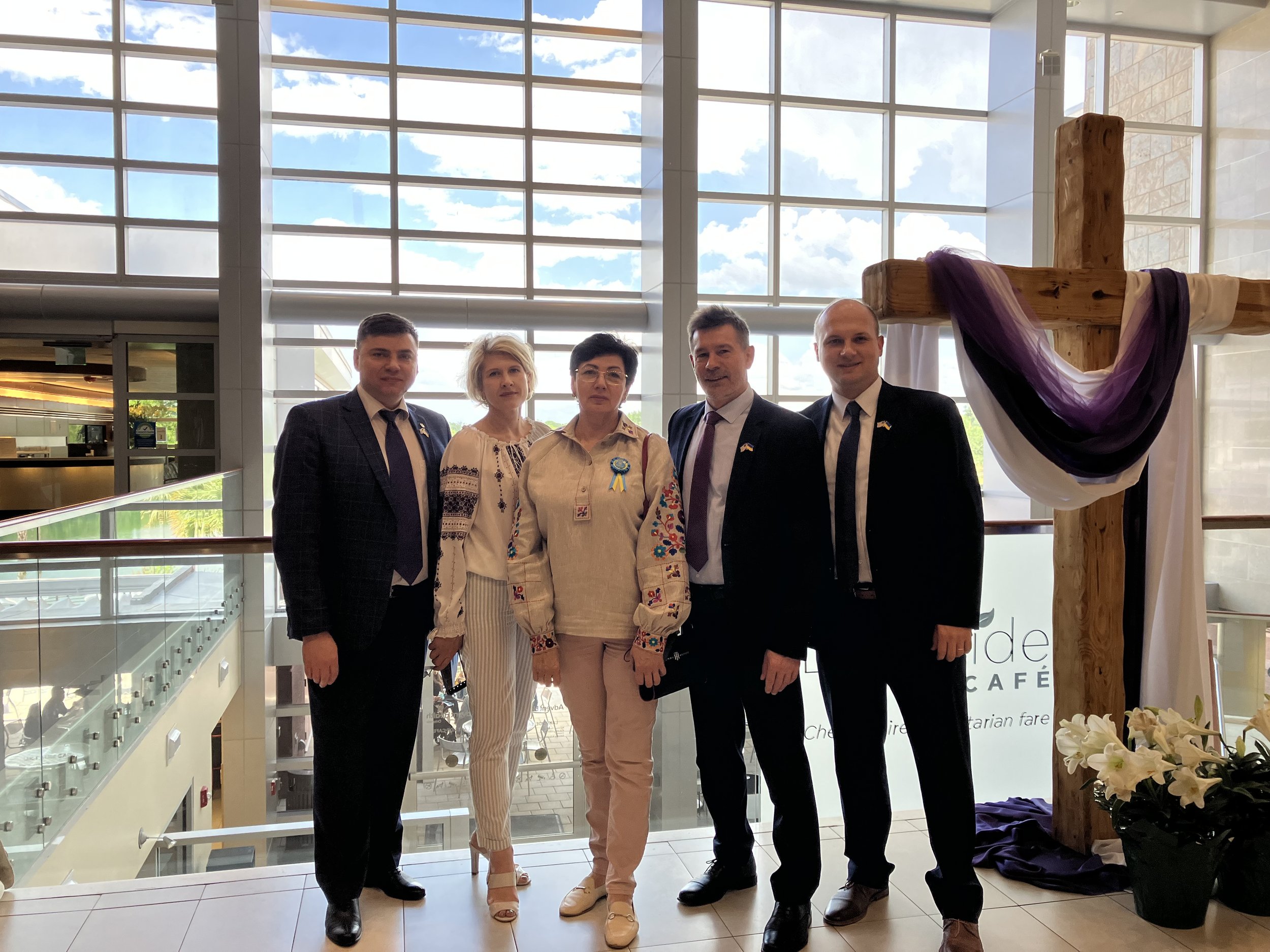
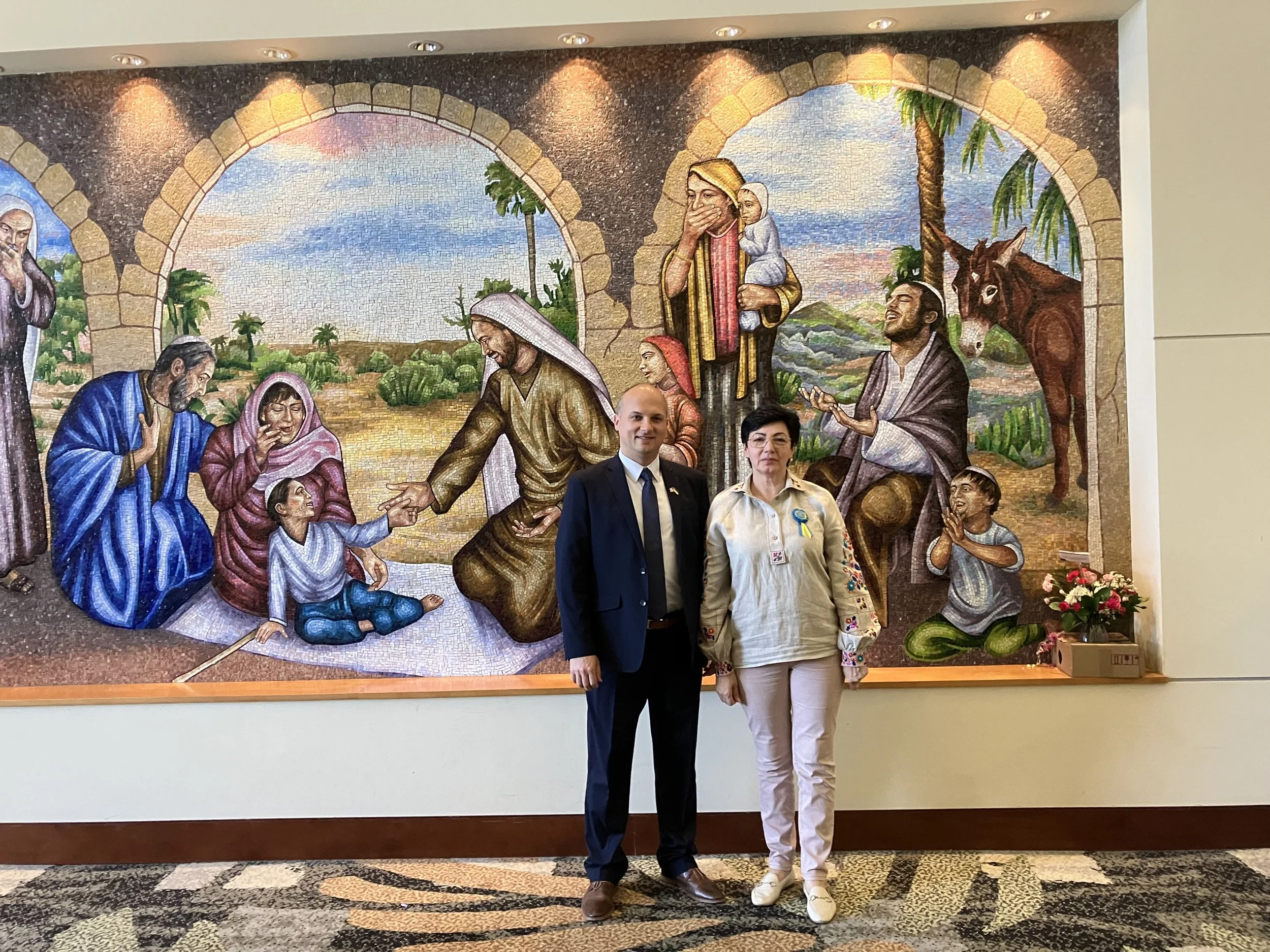
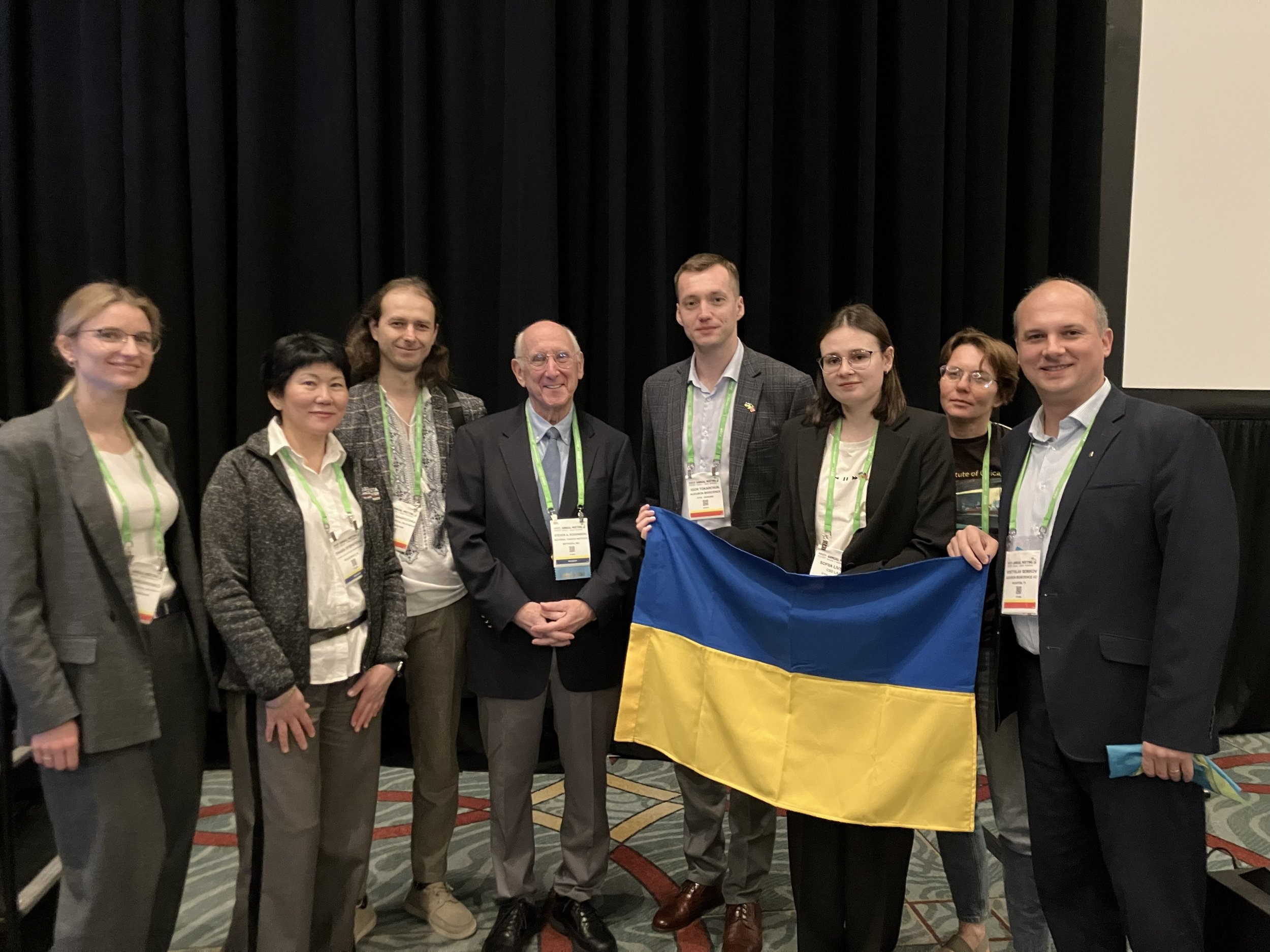
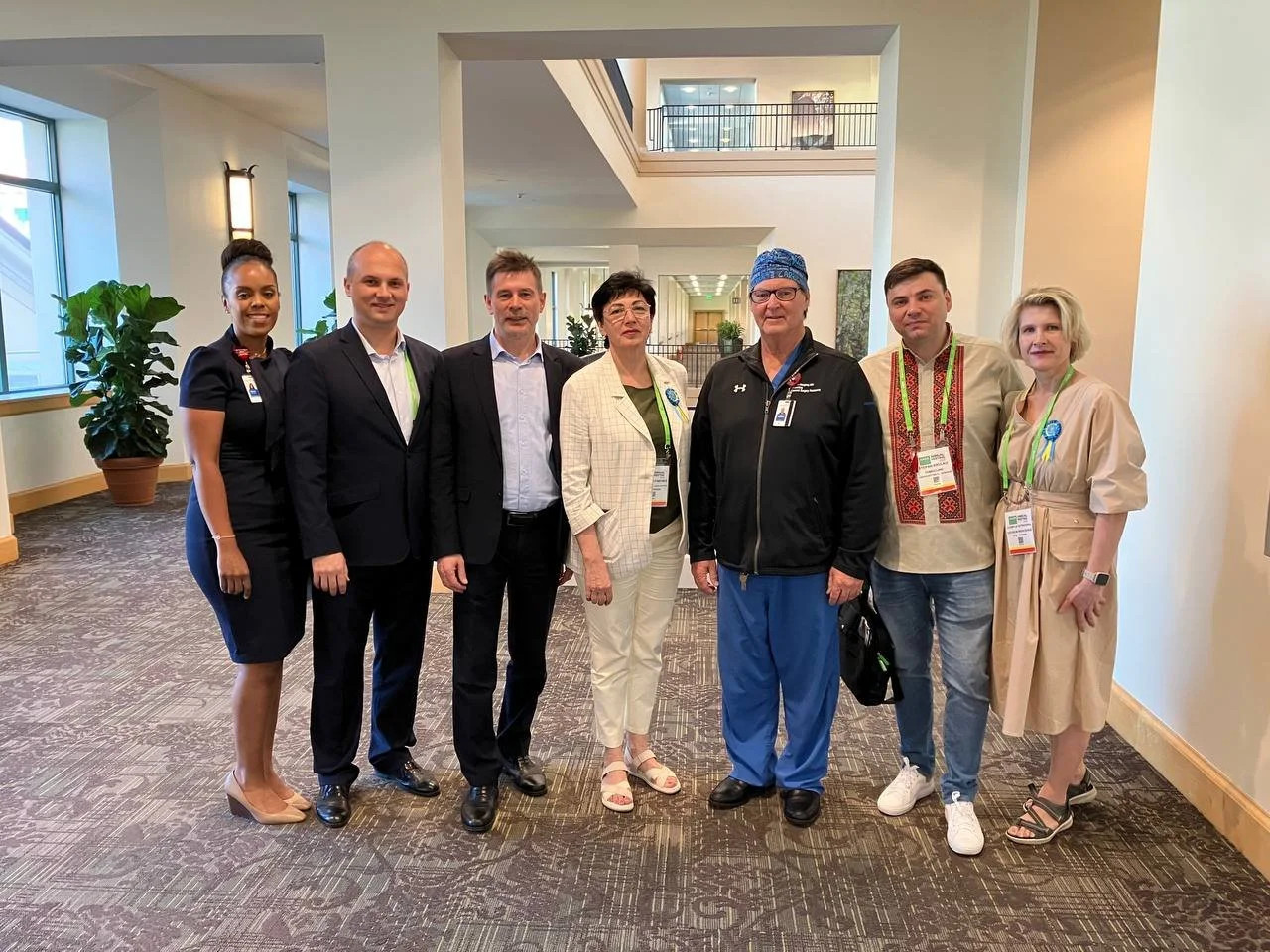
In April 2023, AACR hosted five Ukrainian representatives at its Annual Meeting in Orlando, Florida. This was not simply conference attendance—it was a deep immersion into the global oncology ecosystem. The delegation was introduced to AACR working groups, scientific media teams, research experts, and leaders of top U.S. cancer centers.
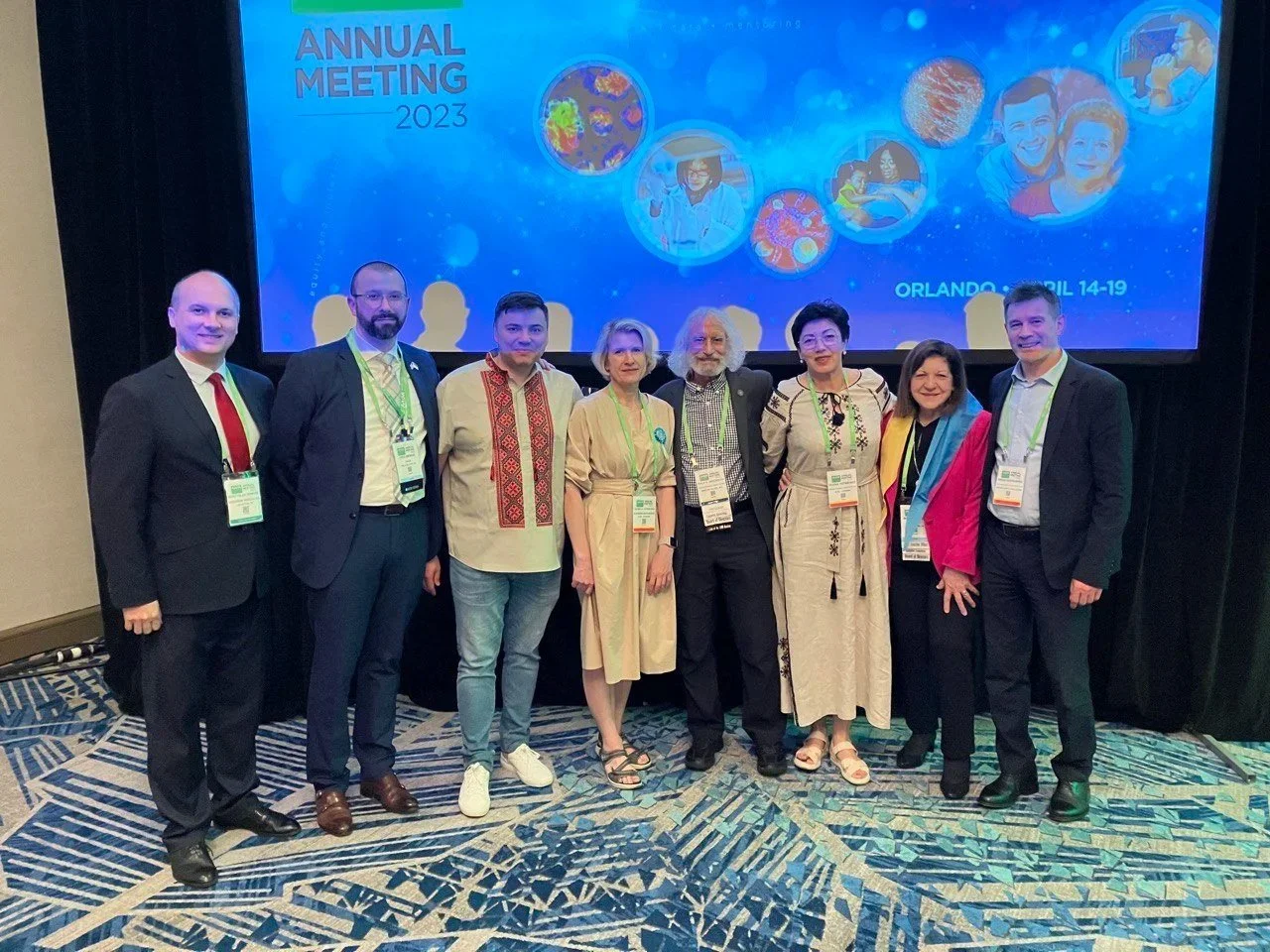
The first Ukrainian delegation with the society leadership at the AACR 2023 Annual Meeting in Orlando, FL (April 14-19, 2023).
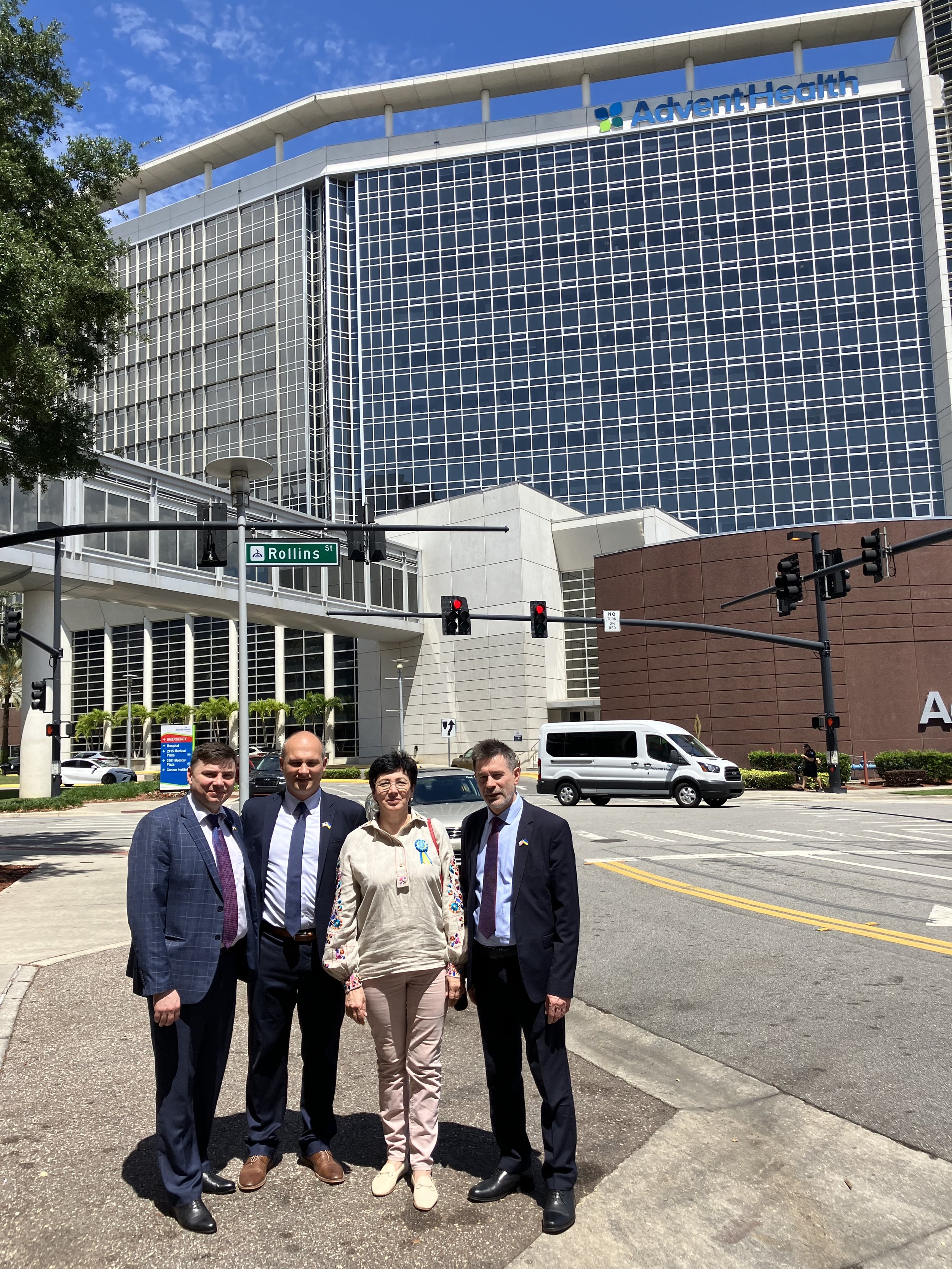
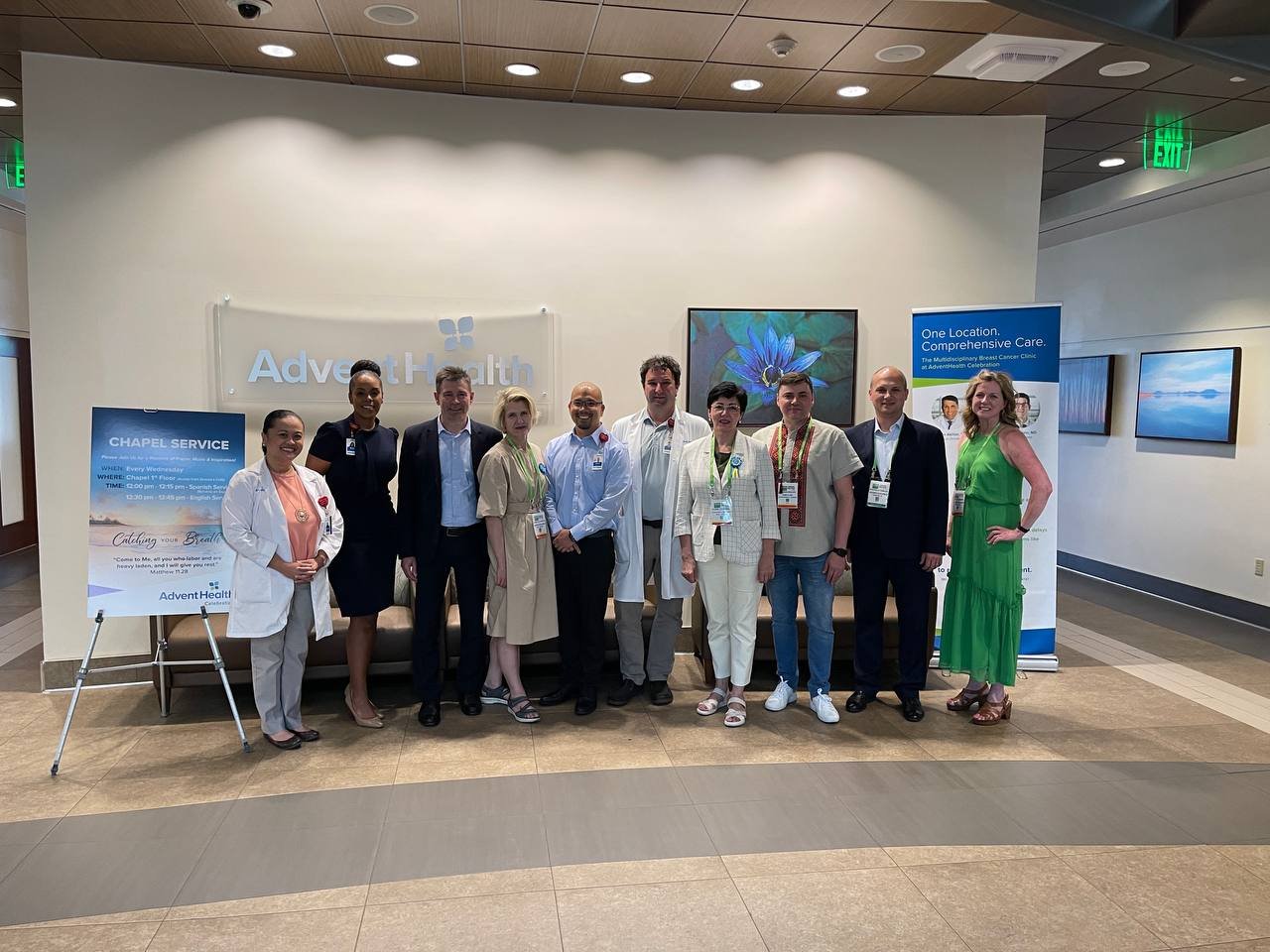
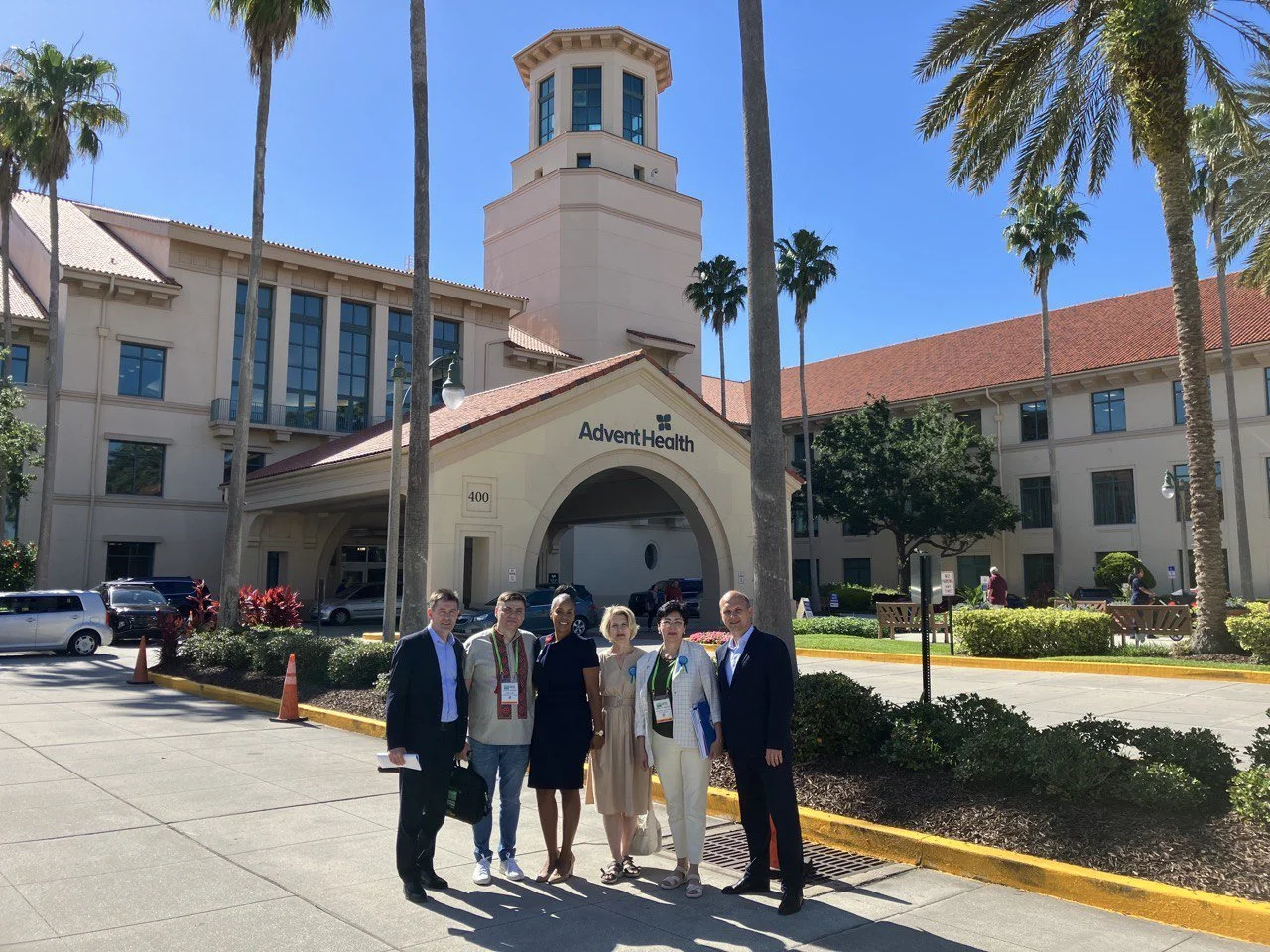
At the same time, the group visited AdventHealth Cancer Institute, where they explored modern principles of oncology care and discussed how these approaches could be adapted for Ukraine. During the conference Dr. Frédéric Biemar, AACR Vice President, arranged meetings with Dr. Jonathan Chernoff, Director of Fox Chase Cancer Center, and Dr. Joe Ramos, then Director of the Louisiana Cancer Research Center. Later that year, another group visited Fox Chase, and the following year, a visit to LCRC took place.
The impact of this visit was immediate. It is well reflected in publications such as “AACR Supports Cancer Care and Research in Ukraine” , “Modern principles of oncology care: how to adopt the experience and implement it in Ukraine?“ and “How insights we gained at AACR will help modernize cancer care in Ukraine“. These effortsensured that the realities of delivering oncology care during wartime were visible to the international scientific community.
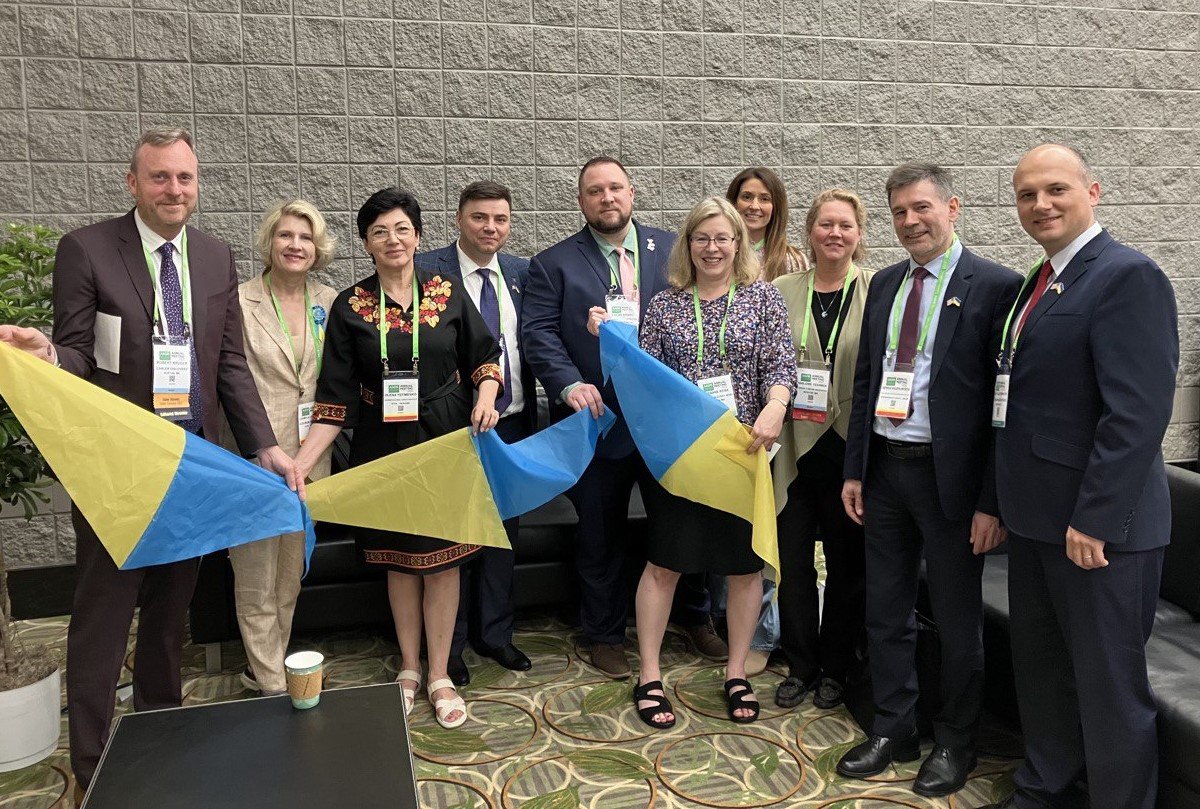
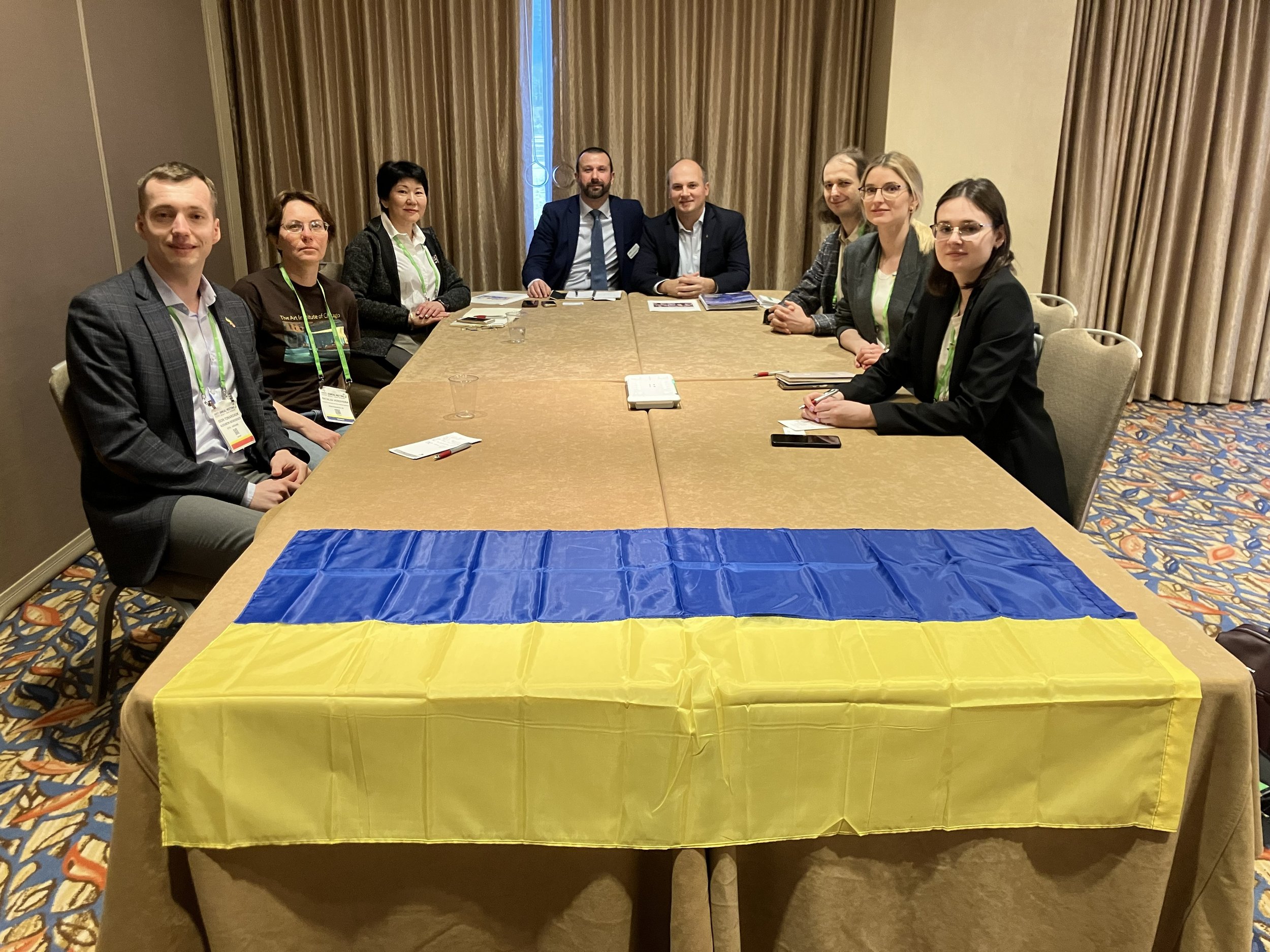
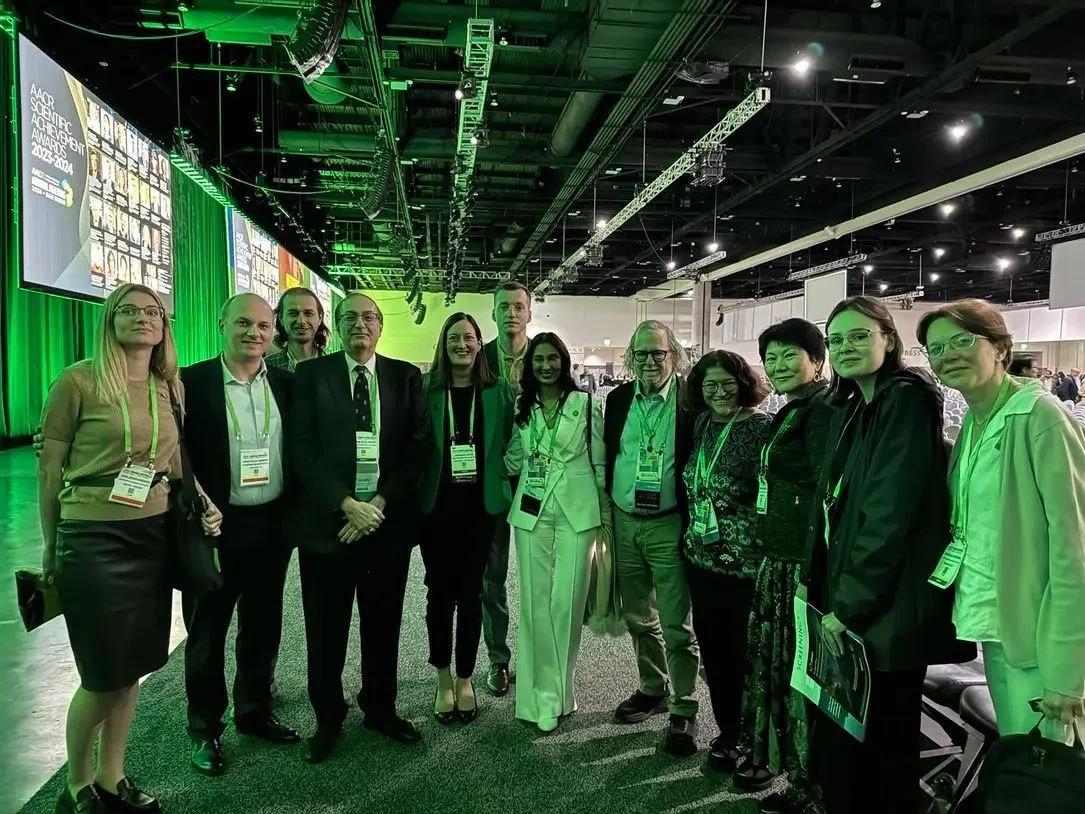
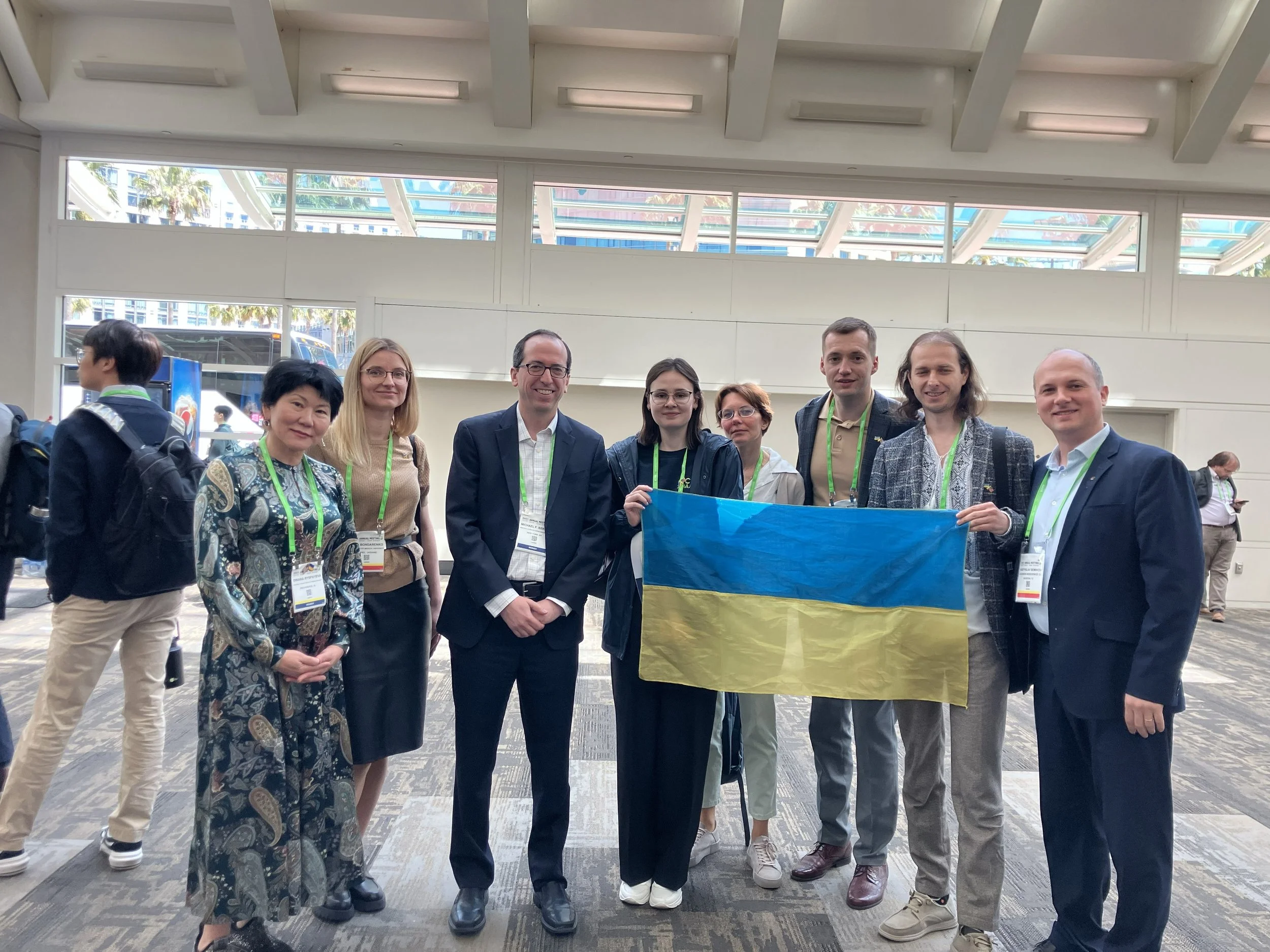
In 2024, this collaboration expanded further. A second Ukrainian delegation of seven cancer researchers was invited to the AACR Annual Meeting in San Diego. Once again, participants engaged directly with leading institutions, researchers, and clinical teams. Following the conference, the delegation visited Stanford University, Louisiana Cancer Research Center, Tulane University, and the University of Texas MD Anderson Cancer Center. The visit to MD Anderson was a particular highlight, offering direct interaction with some of the world’s top cancer experts, including Nobel Laureate Dr. James Allison and his colleagues.

Dr Jim Allison with Ukrainian cancer researchers at his lab, April 2024
What began as a single connection in 2022 evolved into a large-scale international collaboration. Over four years, the Peace and Development Foundation organized 40 medical exchange projects, facilitating 242 visits by 114 Ukrainian physicians to 33 leading U.S. medical institutions and participation in 10 major oncology conferences, including AACR, ASCO, ASH, SITC, COA, and IASLC.
The impact of these efforts has been measurable. Outcomes of the observership programs were recently published in the British Medical Journal (BMJ Open), demonstrating high effectiveness and real-world implementation. Participants reported an average satisfaction score of 9.3 out of 10, with 92.7% indicating a meaningful shift in how they practice medicine. Importantly, 75.5% implemented new procedures upon returning to Ukraine, with strong downstream knowledge sharing across institutions.
Building on this momentum, the next phase of collaboration is already underway. One of the most ambitious initiatives is AACR on Campus Poland–Ukraine, developed in partnership with AACR and local partners. This program is designed to bring cutting-edge oncology education to the region by gathering more than 100 young and mid-career cancer physicians and researchers in Warsaw in 2026, with a strong representation from Ukraine.
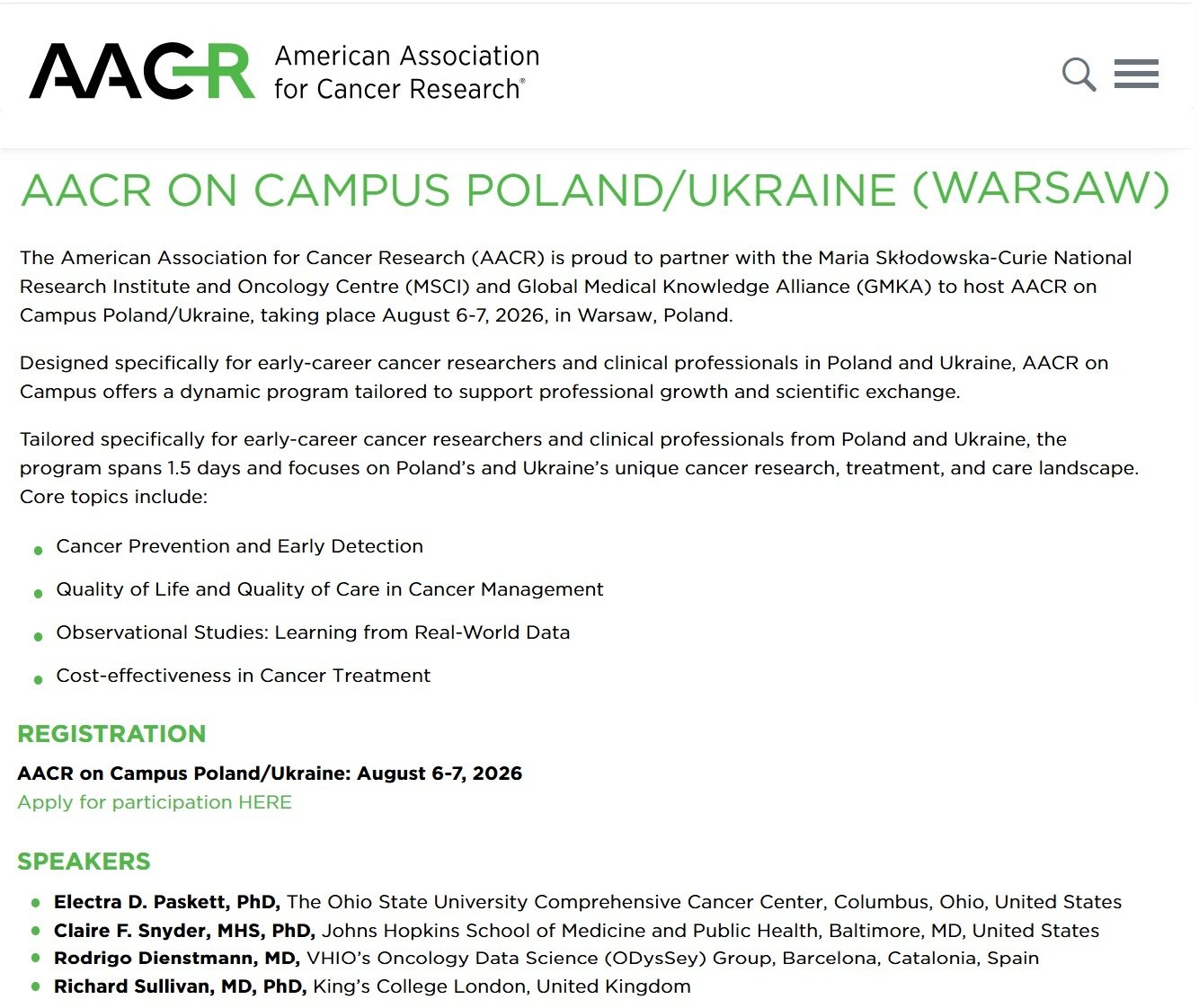
Today, what started as an urgent response to crisis has become a sustainable model of international collaboration. Through partnership, education, and shared commitment, AACR and the Peace and Development Foundation have helped bridge the gap between global oncology innovation and real-world implementation in Ukraine.
This journey demonstrates that even in the most challenging circumstances, collaboration can drive progress—and ultimately improve the lives of cancer patients.
Consider making a donation to support AACR on Campus Poland-Ukraine project, also our life-saving and career-changing work. Let’s together empower young Ukrainian researchers and physicians through access to modern training, global expertise, and critical professional networks.