Advancing Frontline Cancer Care with COA
Meaningful transformation in healthcare happens through partnerships. Our collaboration with leaders from the Community Oncology Alliance (COA) and community oncology practices across the U.S. is a powerful example of how such a cooperation can directly impact patient care—even in the midst of war.
How It Started
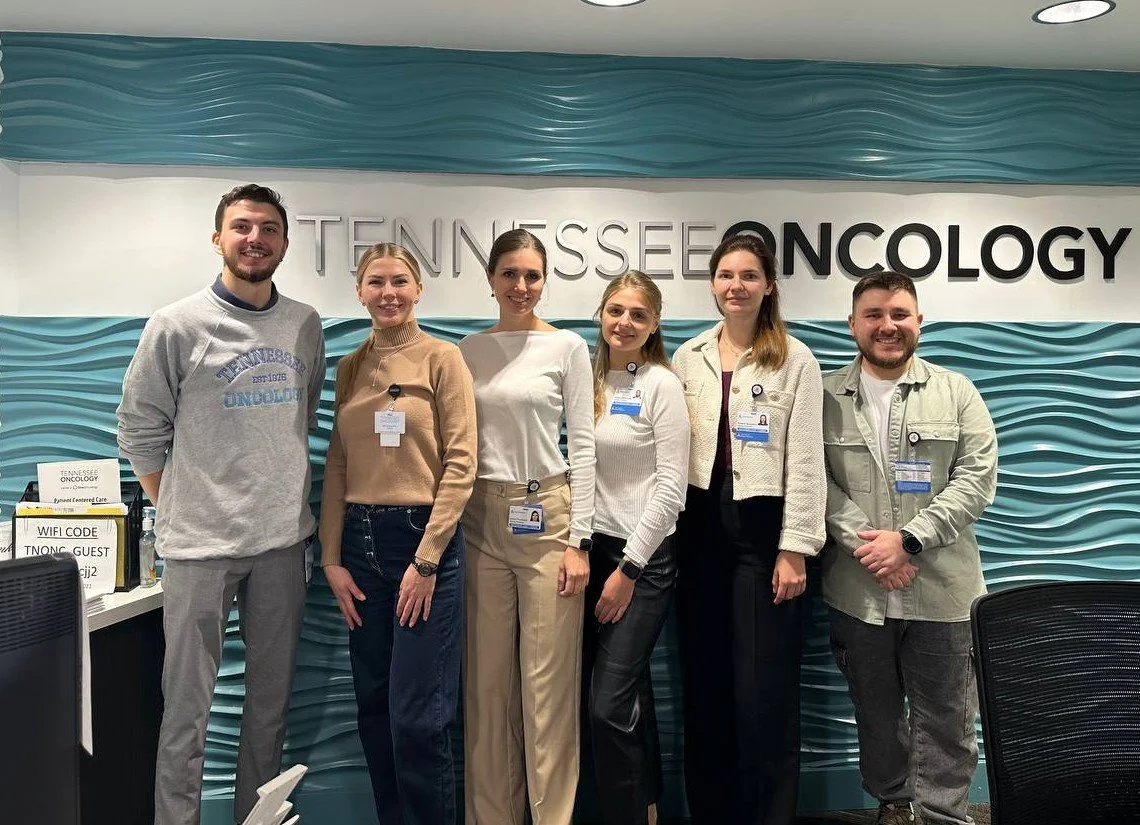
Our engagement with the COA community began in 2023 through Dr. Stephen Schleicher, CMO of Tennessee Oncology, and Brian Tyler, CEO of McKesson. Hearing Senator Bill Frist’s story of hosting Ukrainian transplant surgeons at Vanderbilt, they responded to the request to support Ukrainian oncologists, as the country’s cancer care system faced severe constraints due to Russia’s full-scale invasion.
Hospitals were disrupted, resources were strained, and physicians faced the challenge of continuing treatment under extreme conditions. At the same time, the need for local medical community to stay connected to global medical advancements became more urgent than ever.
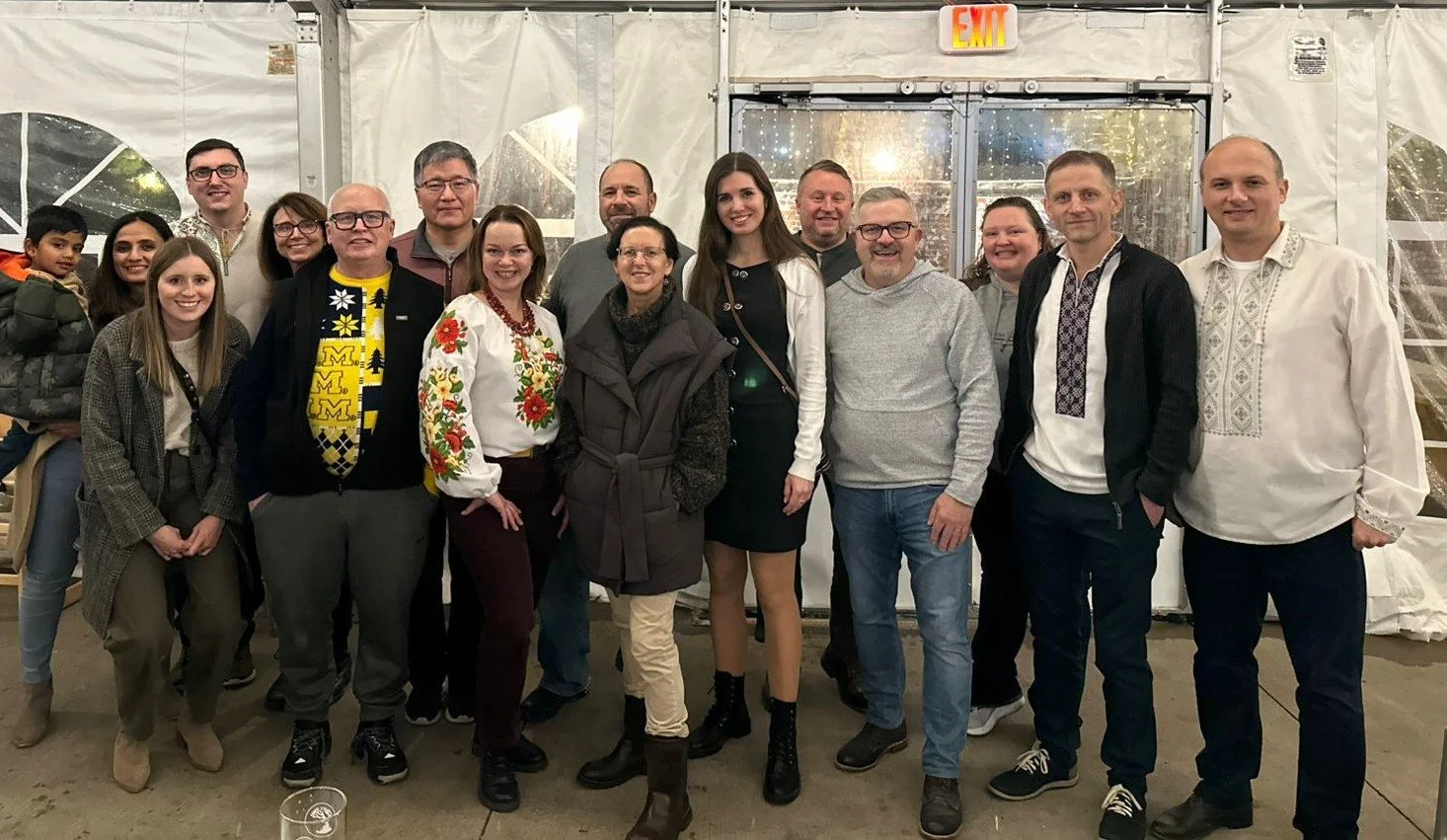
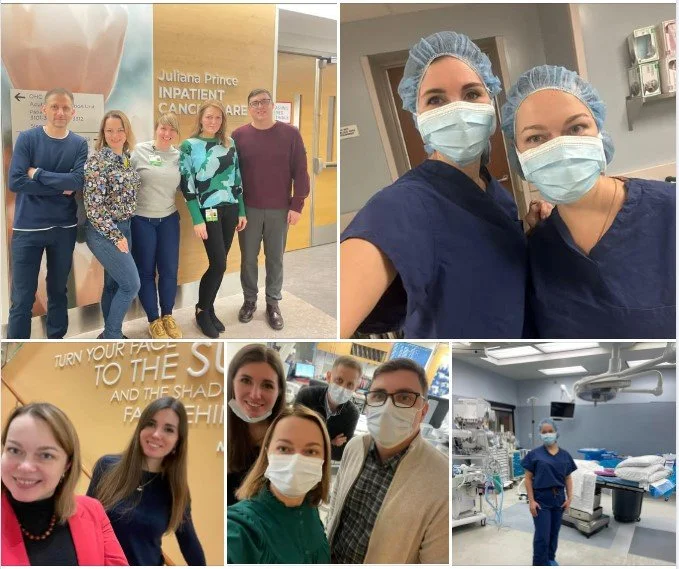
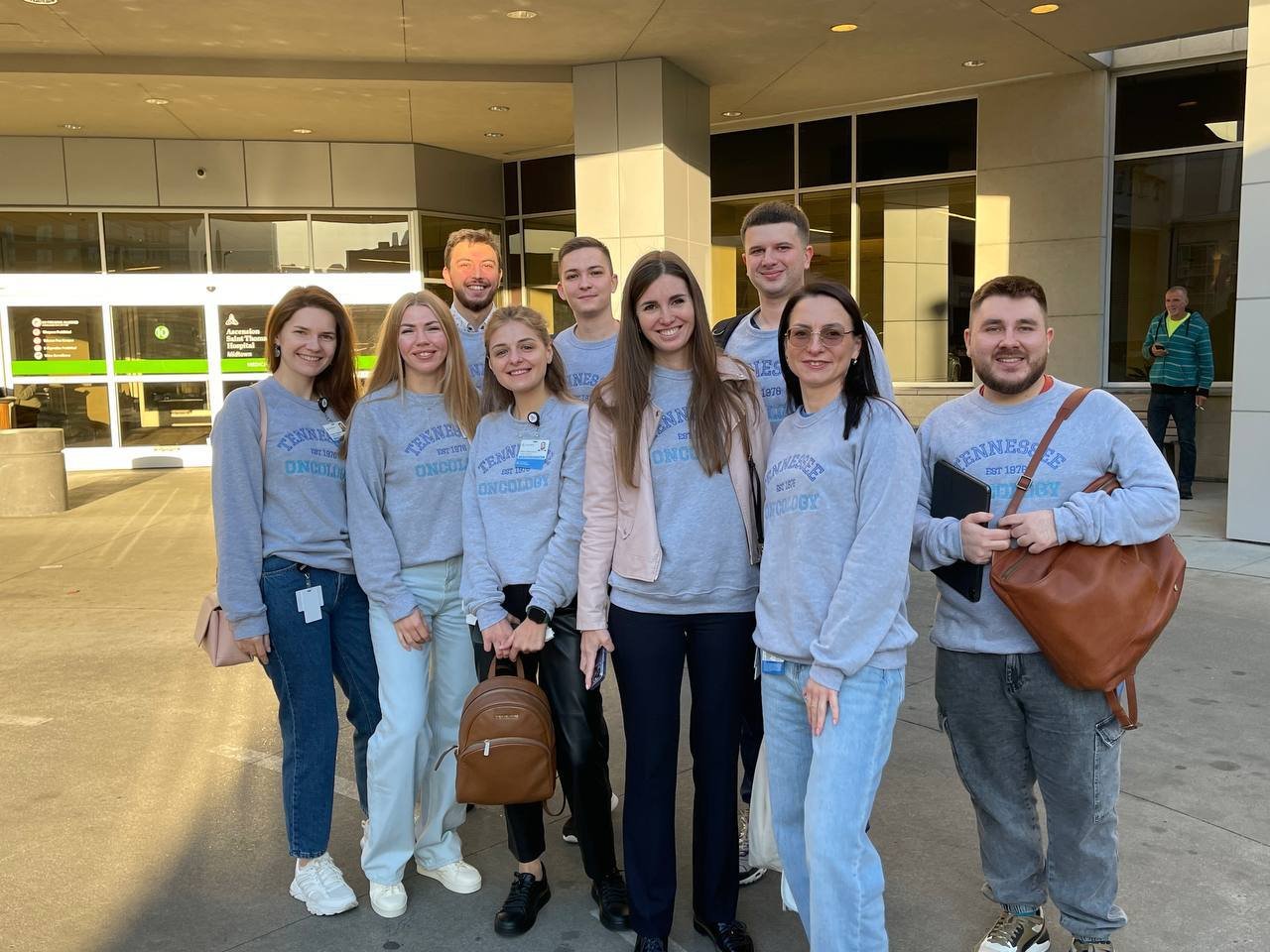
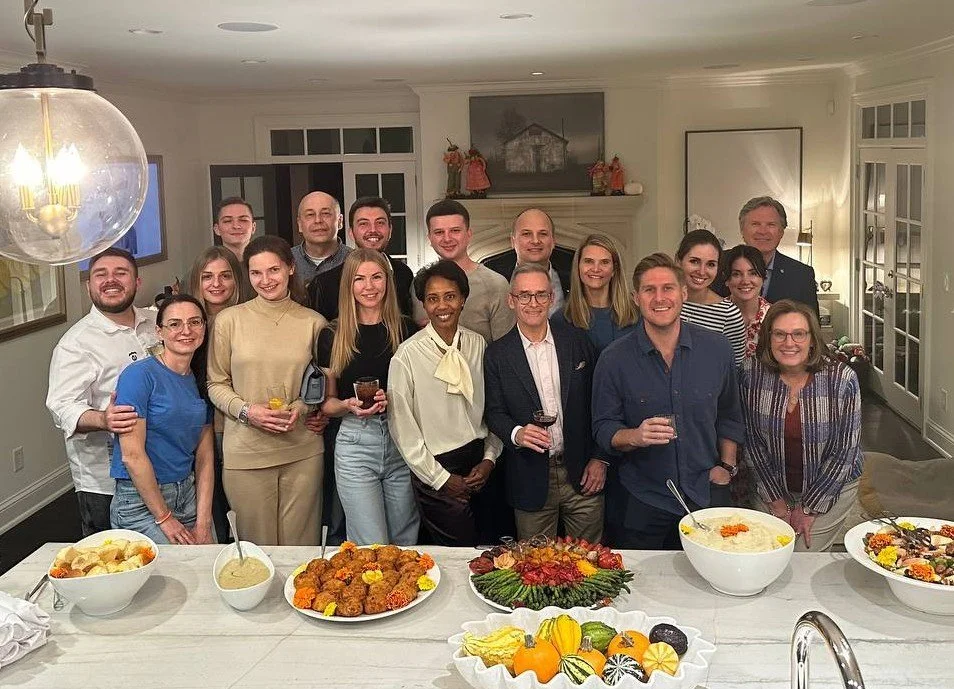
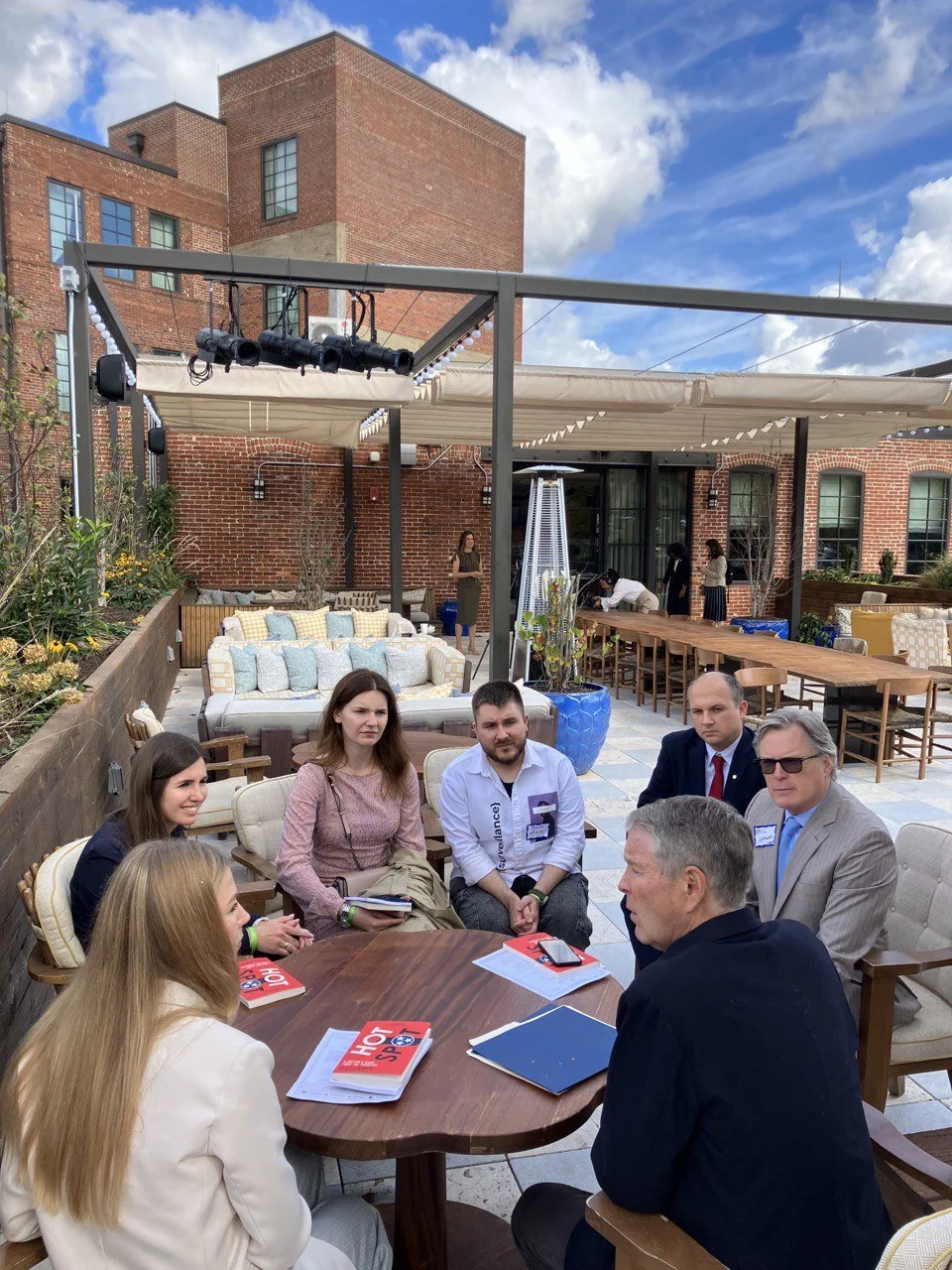
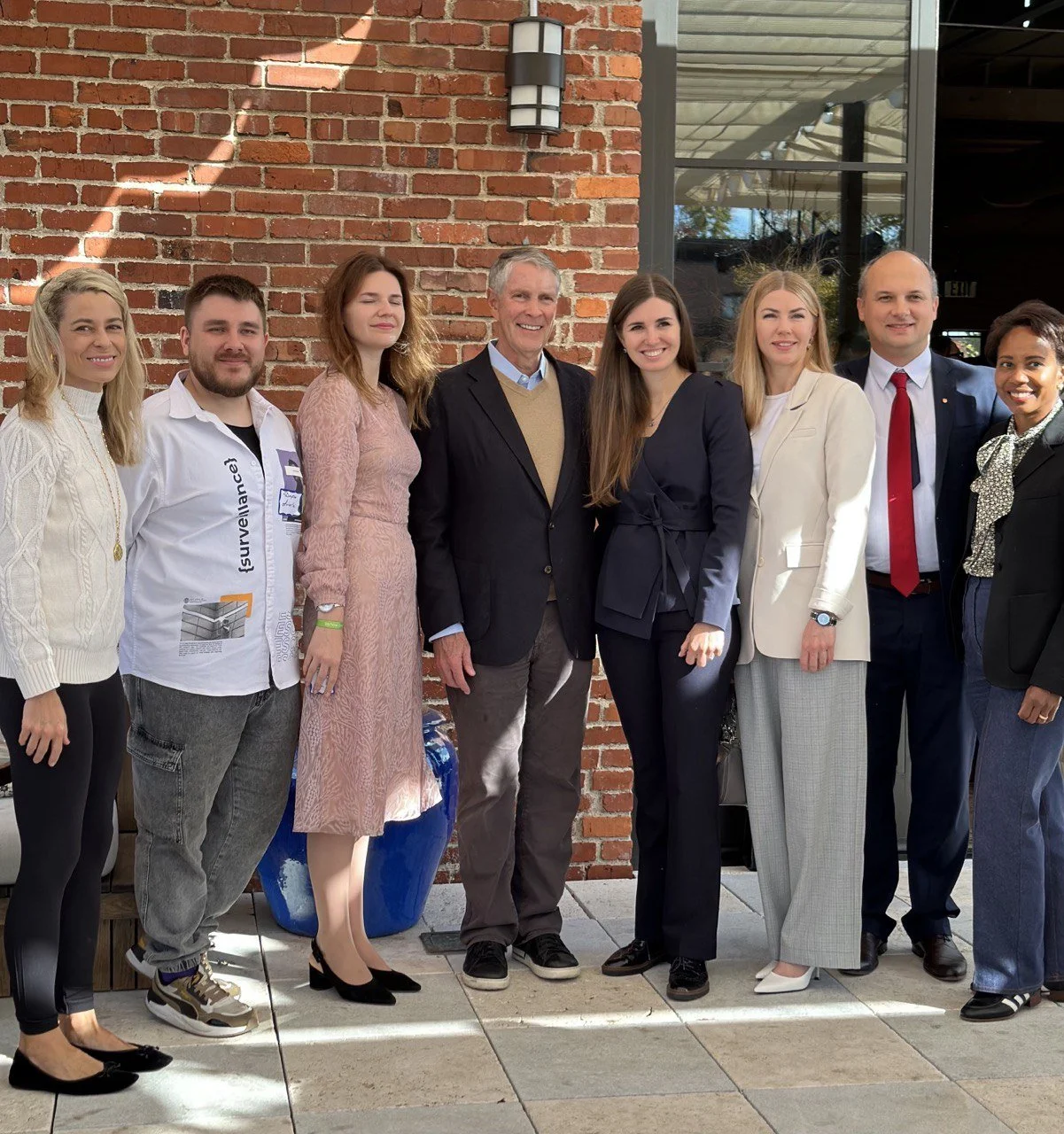
In October 2023, Nashville’s Tennessee Oncology and Ascension Saint Thomas, in partnership with the Nashville Wine Auction, hosted a group of ten Ukrainian cancer physicians. It was a warm, educational, and deeply meaningful experience for both sides, highlighting the human connection behind medical exchange.
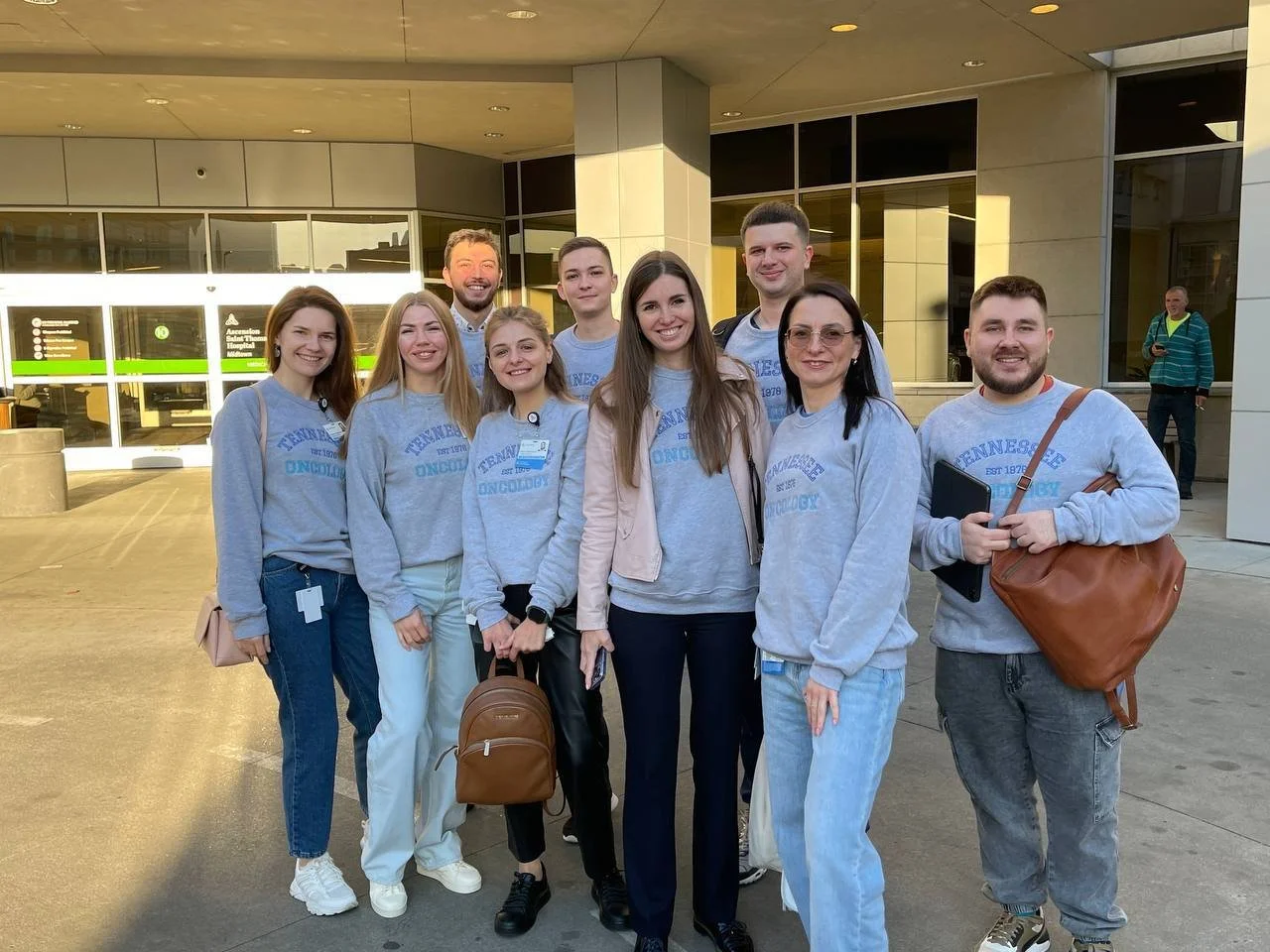
Tennessee Oncology observership in October 2023
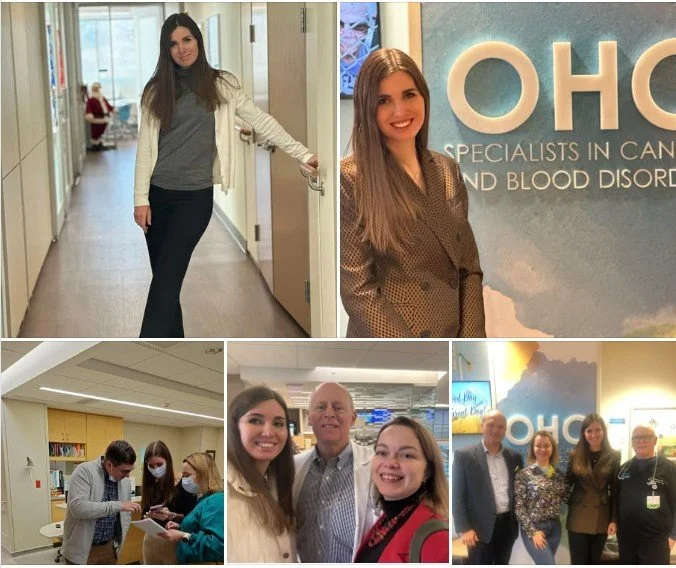
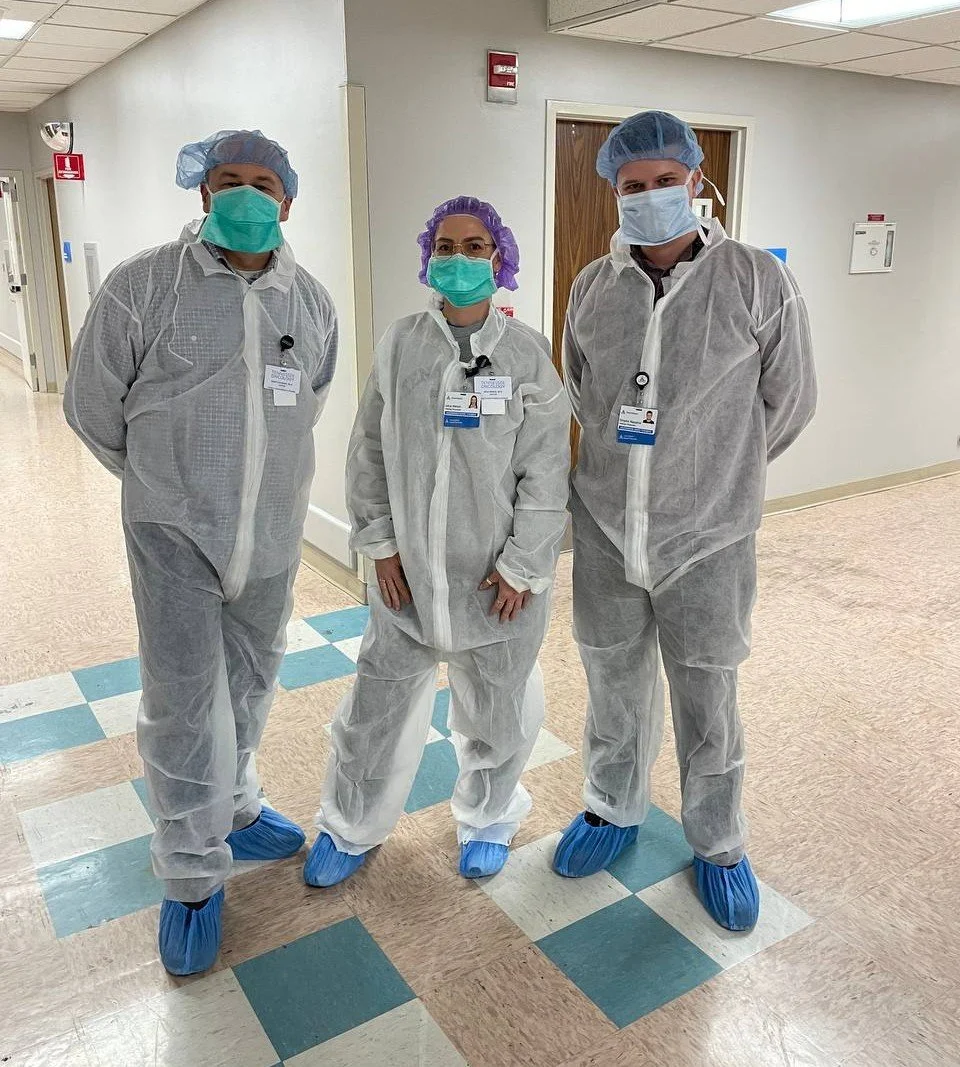
Brian Tyler further connected us with The US Oncology Network leadership, including Mr. Jason Hammonds and Dr. Marcus Neubauer, who shared the initiative across The Network. Dr. Randy Drosick, President of Oncology Hematology Care, responded to this call together with his colleague Dr. David Waterhouse—leading to a December 2024 observership for Ukrainian hematologists in Ohio, expanding access to advanced care in hematologic malignancies.
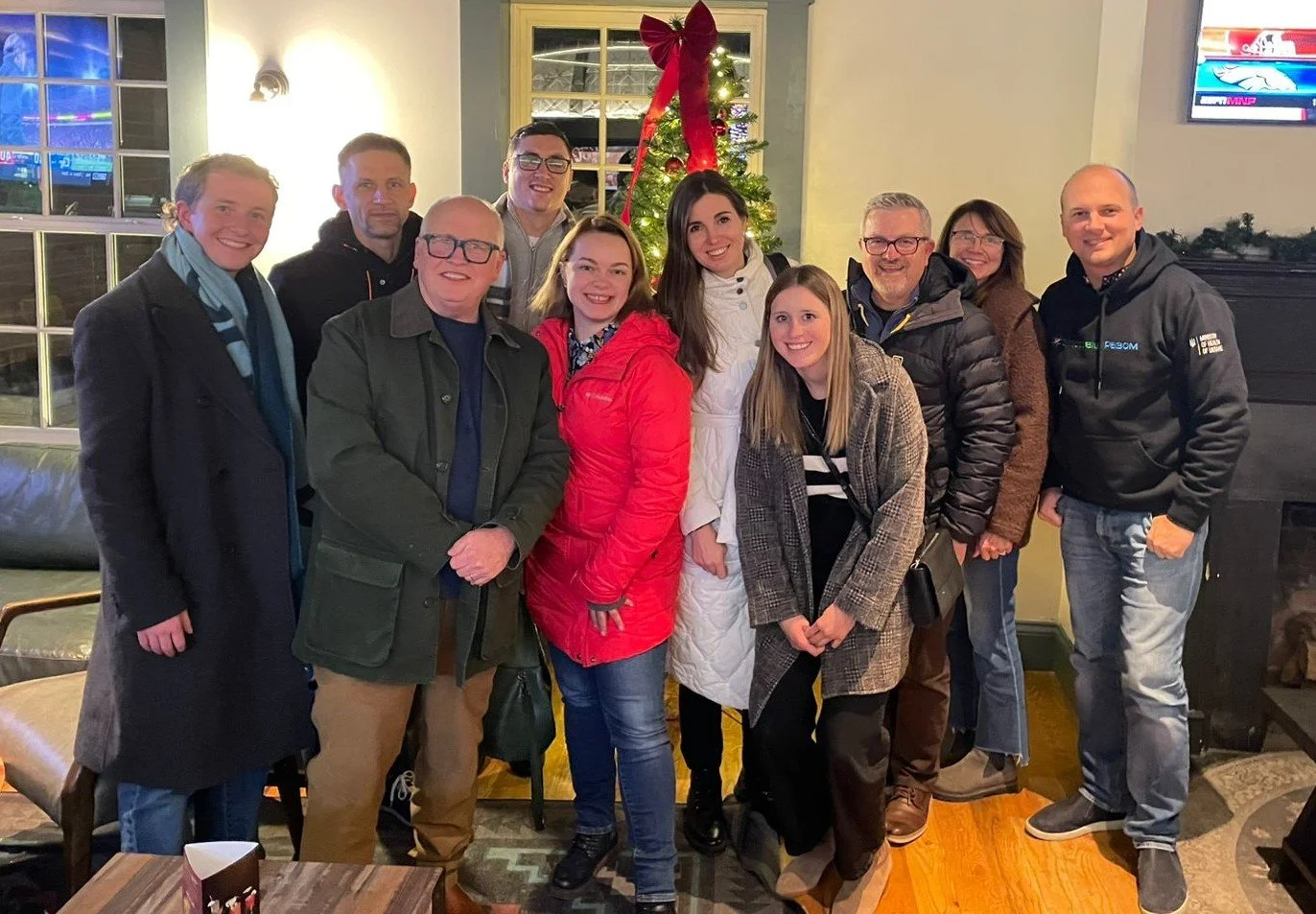
Oncology Hematology Care observership in December 2024
Building on this momentum, COA CEO Mr. Ted Okon introduced us to additional leaders across the COA network. What followed was a series of conversations grounded in a shared mission: supporting physicians delivering cancer care under extraordinary conditions in Ukraine.
Shortly thereafter, Mr. Barry Russo, CEO of The Center for Cancer and Blood Disorders, reached out with a simple yet powerful message—his team wanted to help. Dr. Lucio Gordan, President and CEO of Florida Cancer Specialists, soon echoed the same commitment.
From Connection to Action in Texas
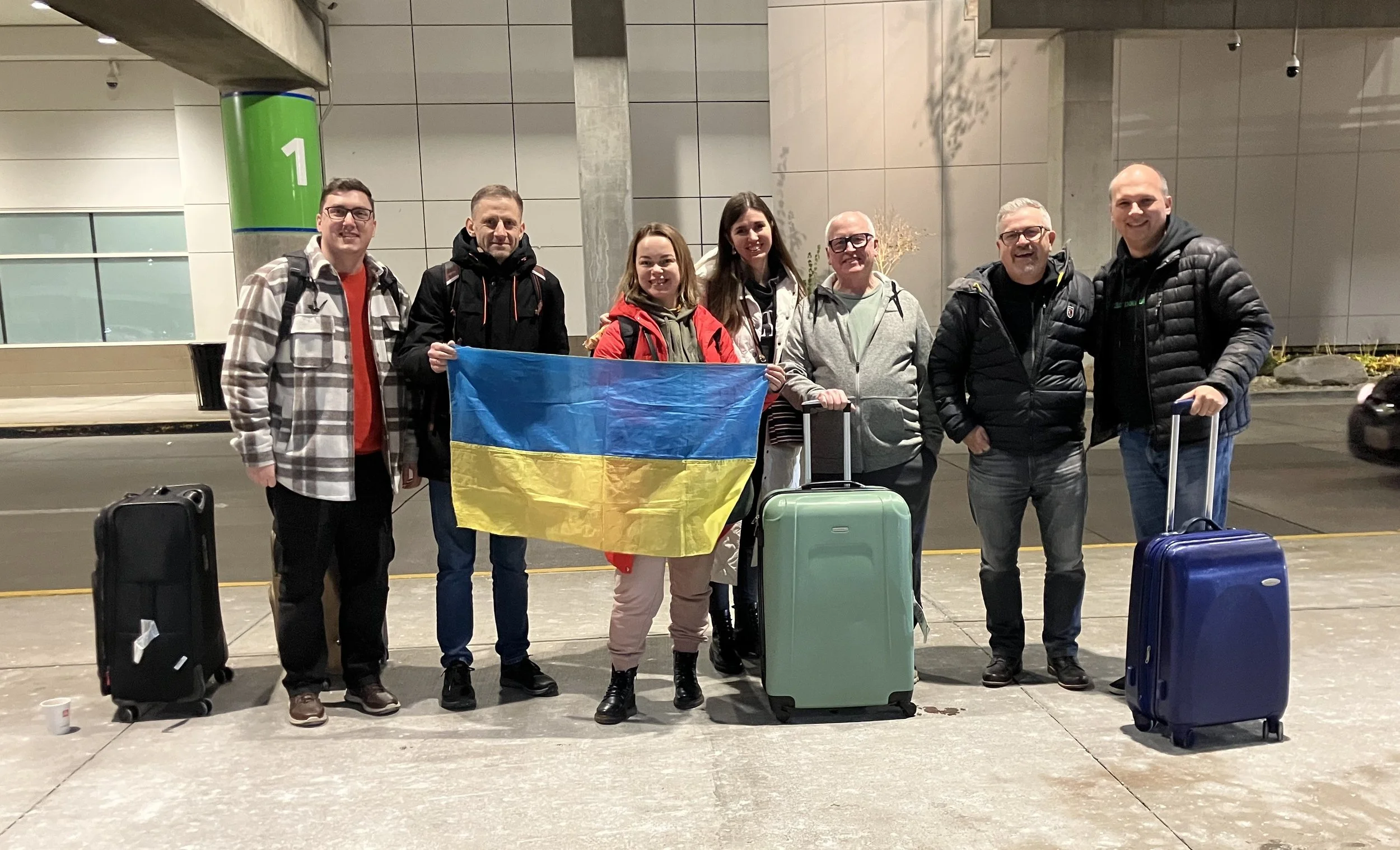
In November 2025, that willingness translated into action. Five oncologists from the Lviv Cancer Center traveled to Fort Worth, Texas, for an immersive observership experience.
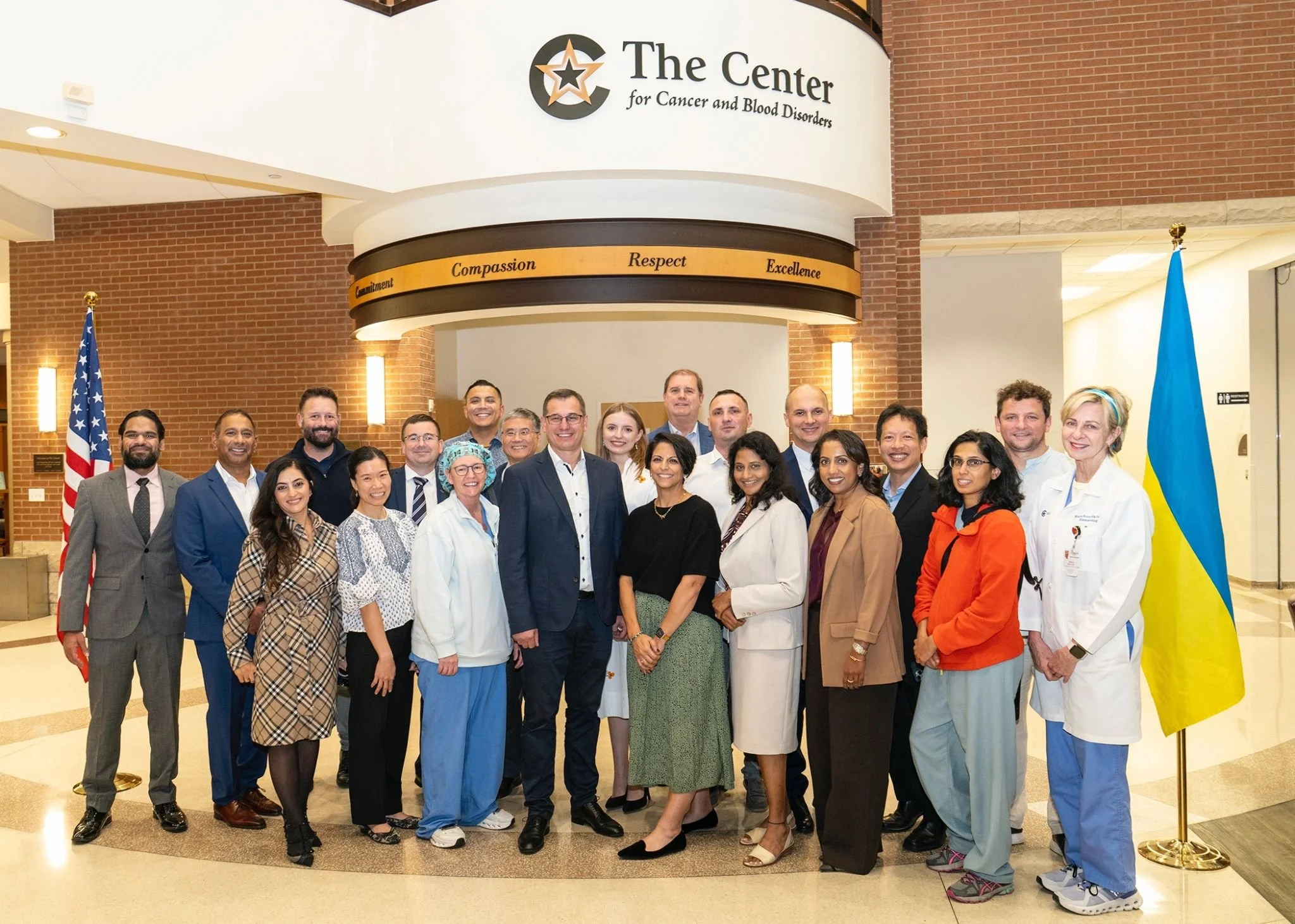
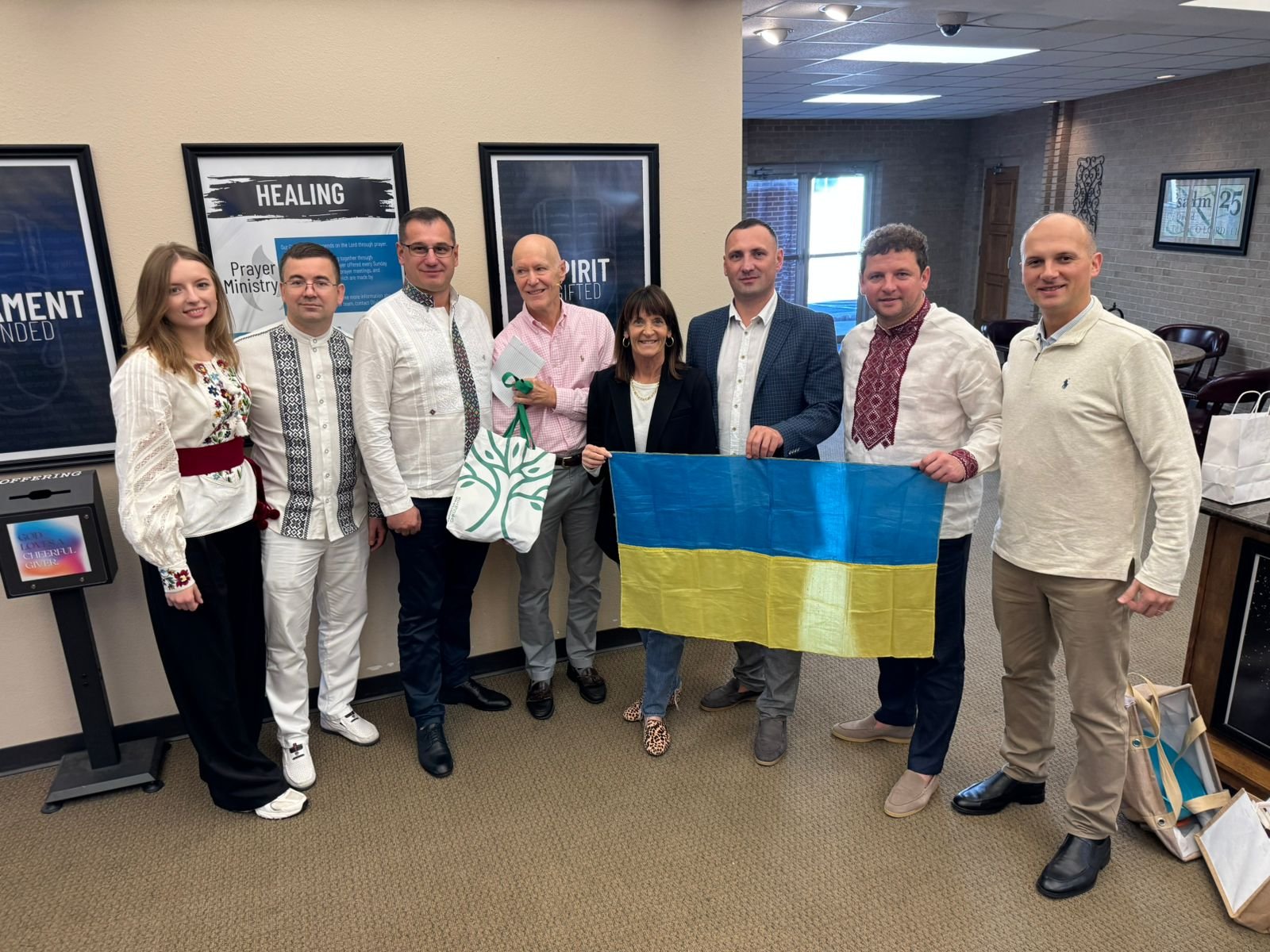
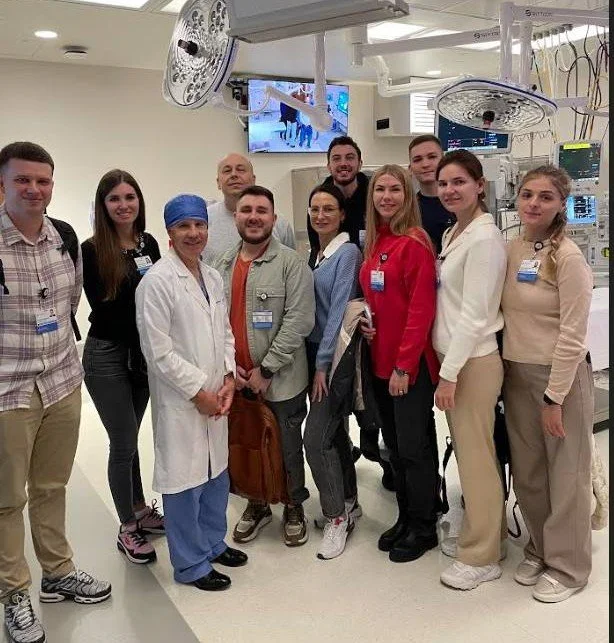
The Center for Cancer and Blood Disorders observership in November 2025
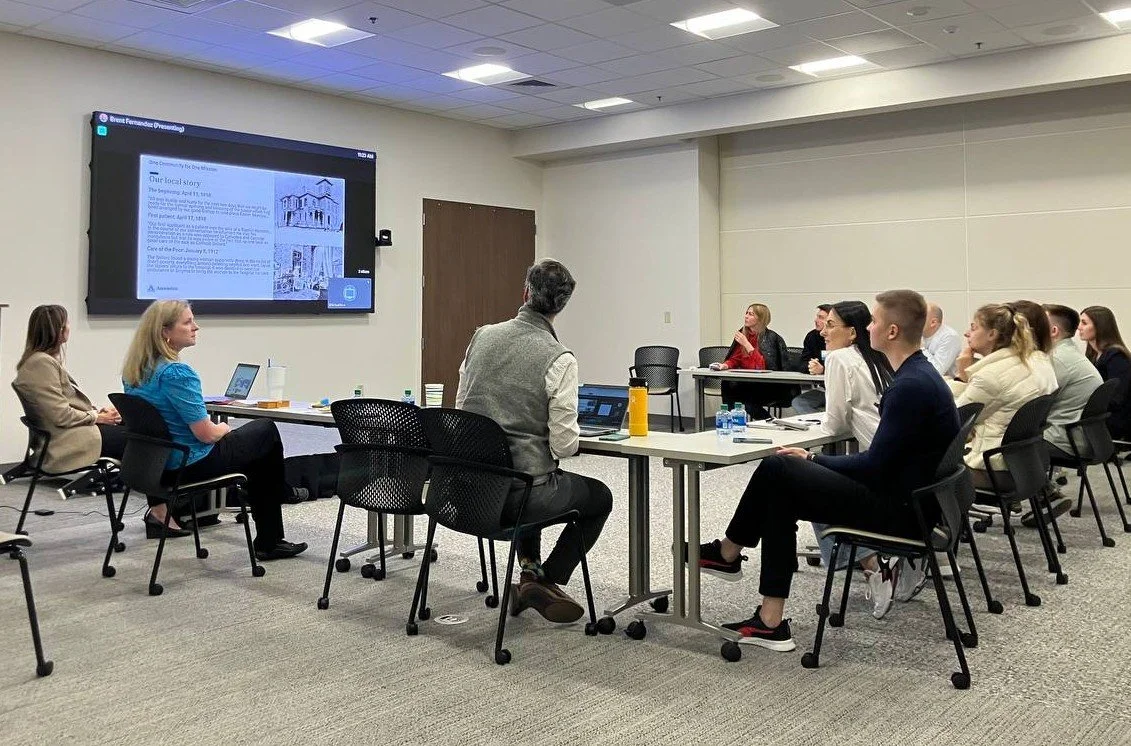
Hosted by The Center and its partner hospitals—including Baylor Scott & White All Saints, Texas Health Fort Worth, HCA Medical City Arlington, HCA Medical City Weatherford, and HCA Medical City Fort Worth—the Ukrainian physicians were embedded in real-world oncology practice environments.
They observed treatment protocols, multidisciplinary care coordination, and surgical procedures across multiple sites. This was not a theoretical exchange—it was hands-on, practical, and immediately applicable.
The visit received regional attention, including coverage by the Fort Worth Star-Telegram in the article “Surgery by headlamp: Ukrainian doctors visit Fort Worth in the midst of war.” The warm welcome from community leaders, including Fort Worth Mayor Pro Tem Carlos Flores, congressional representatives, and local physicians—reflected the deep commitment of the Texas medical community.
A Broader Movement Across the U.S.
What began in Tennessee, Ohio, and Texas has evolved into a national effort, with additional collaborations in Florida on the horizon. Beyond community oncology practices, this initiative now includes leading academic cancer centers, military hospitals, and integrated health systems across the United States—creating a complementary training ecosystem that reflects the full continuum of U.S. cancer care delivery.
Over the past four years, we have facilitated 242 visits by 114 Ukrainian physicians to 33 leading U.S. institutions. This structured exposure enables participants to engage with diverse care models, from cutting-edge academic research to high-volume community-based oncology, and to understand how these systems operate in coordination.
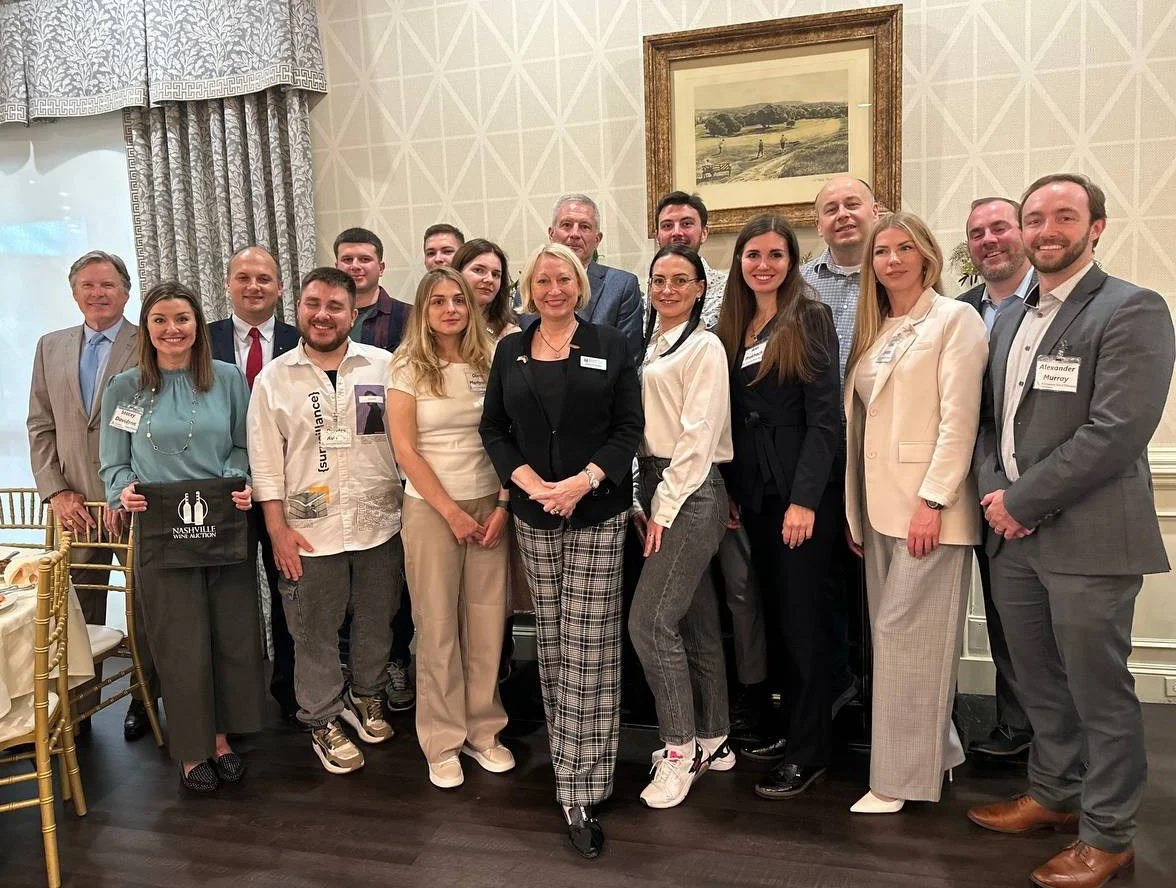
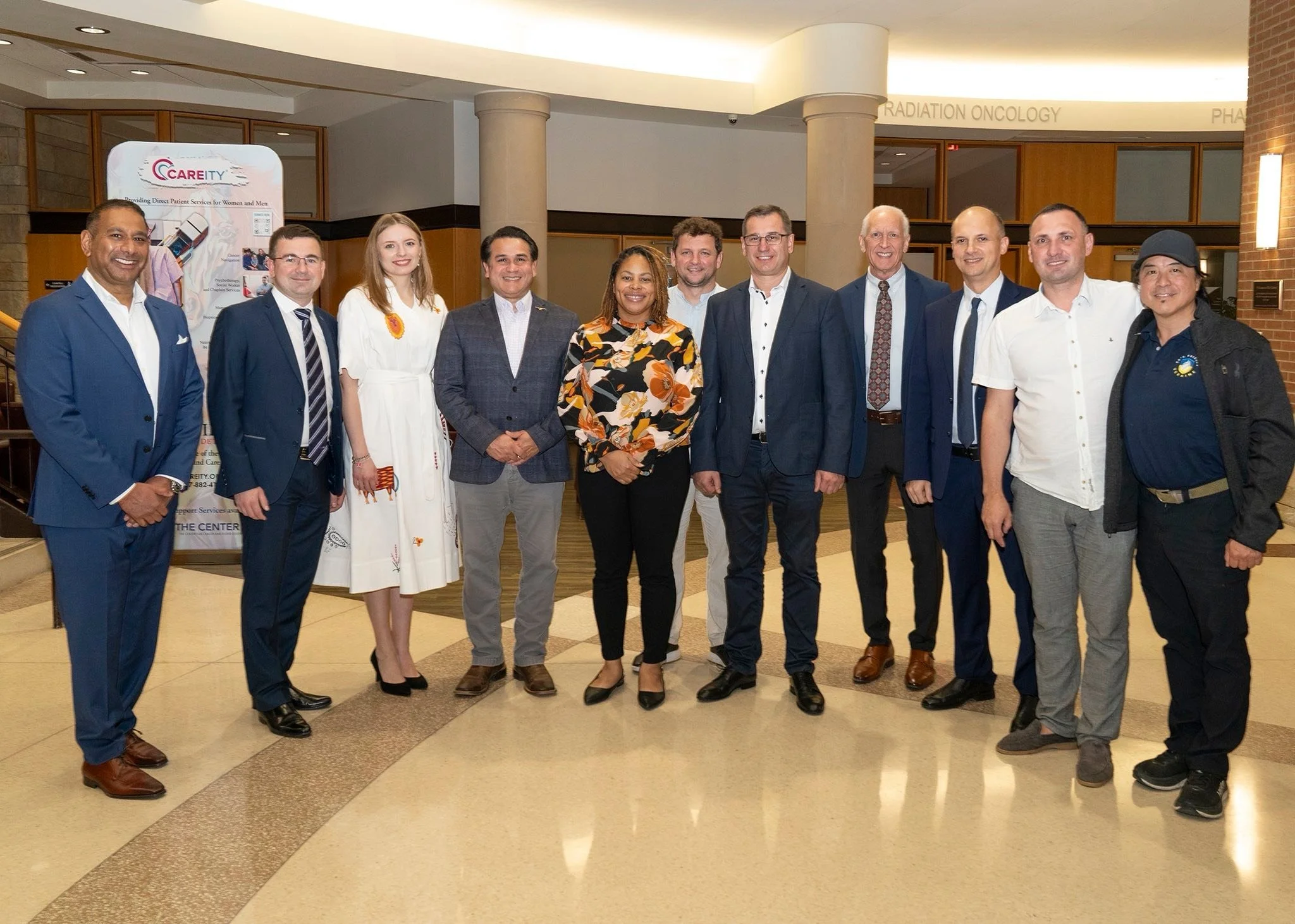
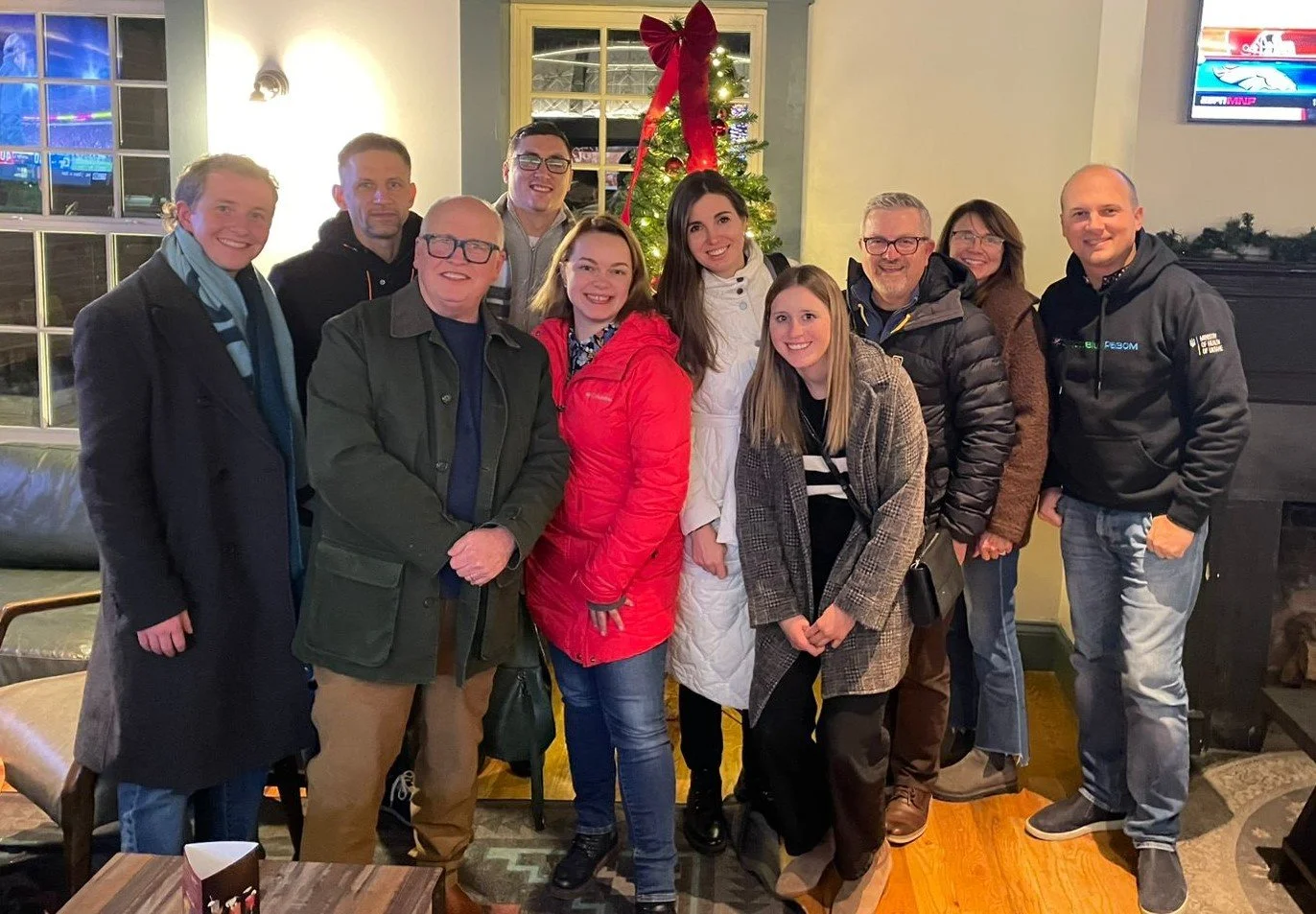
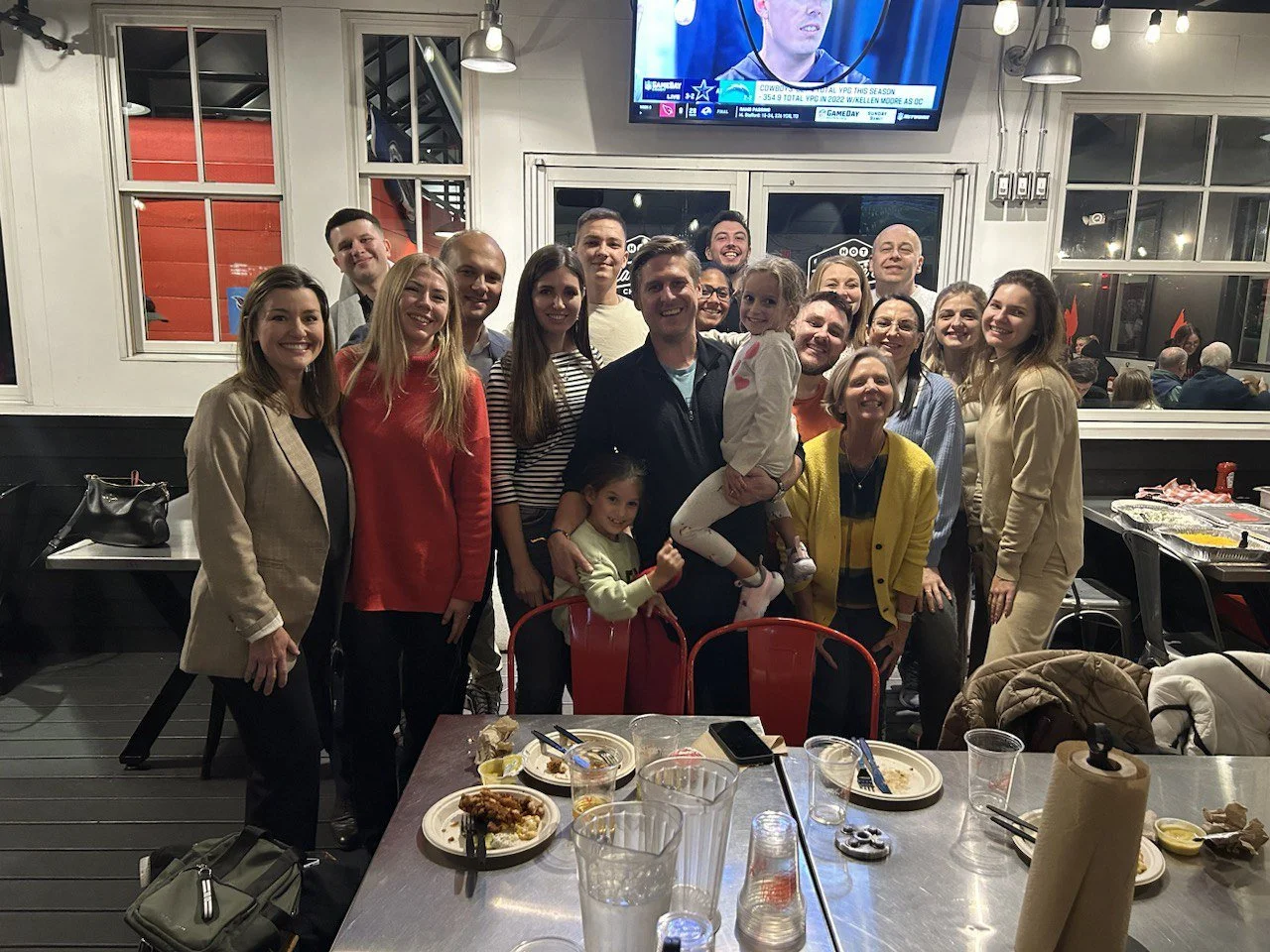
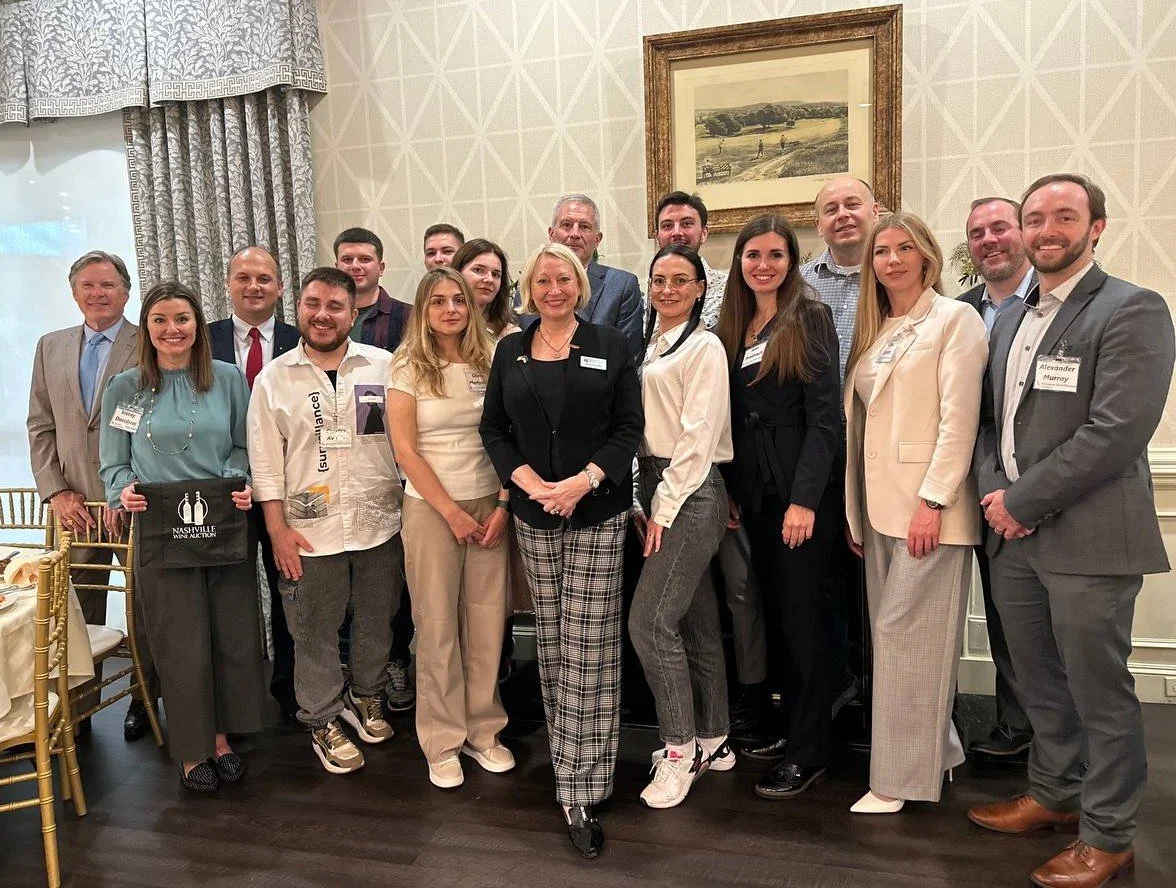
Ukrainian visitors with Nashville Wine Auction leadership, who generously supported their observership in Nashville, November 2023.
This model demonstrates how structured international observerships can accelerate knowledge transfer and strengthen healthcare systems. When physicians are exposed to advanced, coordinated models of care, they can translate those practices into their home institutions, driving measurable improvements in outcomes and system efficiency.
The impact is both immediate and scalable. Exposure to integrated systems of care equips physicians to implement evidence-based protocols, strengthen clinical decision-making, and contribute to system-level improvements upon return, supporting better outcomes and greater resilience in a healthcare system under extraordinary strain.
Impact Where It Matters Most
For Ukrainian physicians, these observerships are not simply educational experiences—they are lifelines of knowledge transfer.
In a healthcare system strained by war, where oncologists often operate under resource constraints and security risks, exposure to modern protocols and systems of care has immediate consequences:
Improved clinical decision-making
Adoption of updated treatment standards
Enhanced multidisciplinary collaboration
Better outcomes for cancer patients
Our broader program outcomes reinforce this impact. Our recent publication in BMJ Open highlights that:
92.7% of participants report a change in clinical practice
75.5% implement new procedures upon return
Knowledge dissemination extends well beyond individual participants
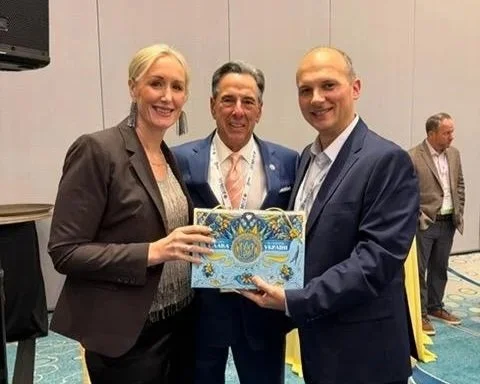
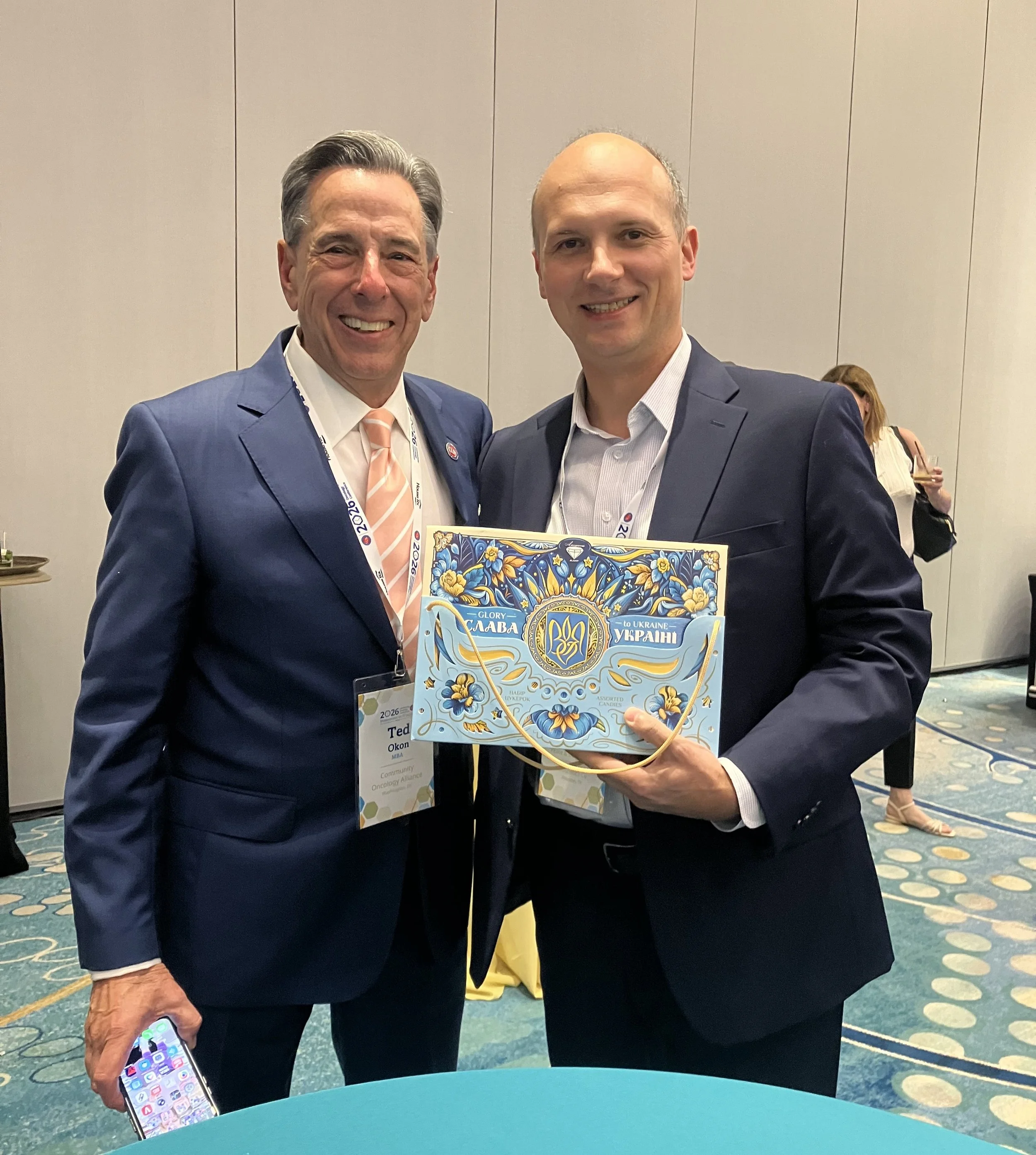
With gratitude to COA President Dr. Debra Patt and Executive Director Ted Okon for their continued support, April 2026.
A Model for Scalable Collaboration
The COA network represents a unique strength of the U.S. healthcare system—community-based oncology delivering high-quality, accessible cancer care at scale.
For Ukraine, this model is particularly relevant. While academic centers are essential, much of cancer care must be delivered in regional settings. The ability to learn from community oncology leaders—how to organize care, manage patient flow, coordinate treatment, and maintain quality—is invaluable.
This collaboration demonstrates that impactful global health partnerships do not require massive infrastructure; they require commitment, openness, and leadership.
Looking Ahead: Building the Next Generation of Physicians
As we continue to expand these efforts, we invite our partners and supporters to join us in the next phase of impact bringing world-class education closer to those who need it most, strengthening the future of cancer care in the region.
We welcome collaboration and support from institutions, organizations, and individuals who share our commitment to advancing healthcare through education and partnership.
👉 Learn more and support our initiatives: https://peacedevelopment.fund/donate